What Can I Do About My OCD?

Here is a staggering statistic regarding obsessive-compulsive disorder (OCD): approximately 2% of the world’s general population has OCD. Considering that the current global population is roughly eight billion people, it means that roughly 160 million people currently struggle with OCD. This statistic really puts the prevalence of OCD in perspective, doesn’t it?

It also puts into perspective the high demand for proper and adequate care for all those struggling with OCD. The good news is that many evidence-based treatment options can help people mitigate and treat their OCD symptoms. Some of these treatments may include clinical practices like psychotherapy and/or medication-based treatment, while others can be done outside of a clinical setting. Tools and techniques such as yoga, breathwork, and meditation can bolster the efficacy of evidence-based help.

For those struggling with OCD, know that there is hope. By finding and reading this article, you have already taken pivotal steps in recognizing your mental health disorder and deciding to do something about it. Such brave steps should never be minimized. Now it is time to take action and advocate for your wellness.

Understanding What Exactly OCD Is

The first step in understanding OCD is getting a technical grasp on what it is. This is necessary because, like many mental health disorders, OCD and its symptoms can often be confused or mistaken for other diagnoses. 

Improper diagnosis can be dangerous as it may prevent people who truly have OCD from being taken seriously. For example, occasionally feeling like one left something on at home or simply enjoying an orderly or organized home does not necessarily equate to having OCD. These are merely personal choices or minor anxieties, not to be confused with a very real disorder. It is common for people to casually say they are OCD without really understanding what that entails.

According to the peer-reviewed journal Nature Reviews and Disease Primers, “OCD is characterized by the presence of obsessions and/or compulsions. Obsessions are repetitive and persistent thoughts, images, impulses, or urges that are intrusive and unwanted, and are commonly associated with anxiety. Compulsions are repetitive behaviors or mental acts that the individual feels driven to perform in response to an obsession according to rigid rules, or to achieve a sense of ‘completeness.’” In other words, those with OCD can become fixated on certain things or thoughts that in some way “force” them to perform a certain behavior to get rid of those fixations.

Equipped with a better understanding of what clinically constitutes OCD, it’s time to discover some effective treatment options.

Some At-Home Treatment Options for OCD

For those struggling with symptoms that may amount to OCD, it is critical to get a professional assessment and diagnosis. Mental disorders are just as serious as physical ailments, so getting the proper care is critical.

Depending on the severity, a professional assessment may determine that an individual’s OCD symptoms simply warrant outside or “at home” care. Some of these more common symptoms include, but are not limited to:

  • Having an unfounded and exaggerated fear of dirt, diseases, and germs
  • Exhibiting behaviors that include excessive and repetitive checking that things are in their right place and are properly functioning
  • Having intrusive thoughts, which can sometimes be violent or sexual in nature
  • Showing slowed or delayed behaviors, actions, and reactions
  • Being unduly concerned with balance, organization, and symmetry

If these symptoms are present but not extreme, a professional may recommend at-home or outpatient counseling. They may also suggest joining a support group that specializes in OCD. In addition, they may recommend nutritional or dietary changes, techniques for stress reduction such as meditation, and interacting with others outside of the home on a more regular basis.

Some Clinical Treatment Options for OCD

The truth is that when it comes to OCD, most professionals tend to recommend and prescribe more intensive clinical solutions. These options can take place in both inpatient and outpatient environments. Often it can be a combination of both, starting with inpatient care and then transitioning to outpatient care as the client progresses.

While there are many clinical options, many of them primarily fall under two categories. These categories are psychotherapeutic and pharmacological. As with the other treatment options, many times psychotherapy and medications are used in tandem. Therapy tends to focus on the mind and its patterns. It may also include exposure to potentially triggering situations and ways to change behaviors related to those situations.

The medications that are predominantly used in OCD treatment focus on the anxiety and depression aspects of the disorder. These medications can include selective serotonin reuptake inhibitors (SSRIs) and a variety of antidepressants.

Everyone experiences mental health differently and has different clinical needs, even when two people have the same diagnosis. Professionals have their clients’ best interests in mind, and their suggestions come from evidence-based information tailored to each person’s unique situation. When it comes to OCD, everyone has choices. They can either continue to struggle with it or get help and get their life back.

Obsessive-compulsive disorder (OCD) can affect every aspect of an individual’s life. Yet, many people don’t understand how serious and common OCD actually is. OCD has become excessively misused and misinterpreted in the public sphere in recent years. Many people describe their relatively “normal” behaviors as “obsessive-compulsive” because they don’t understand all that this condition entails and the fact that it is a clinically recognized disorder. The good news is that OCD is treatable. If you feel that you or a loved one may be struggling with OCD, don’t wait to get help. We can help you or your family member get diagnosed and manage the effects of OCD. For more information, contact Alter Behavioral Health at (866) 691-4386.

Understanding the Anxiety of Specific Phobia

Approximately 12.5% of U.S. adults experience “specific phobia” at one point or another during their lifetime. Specific phobia can be understood as “an intense, irrational fear of something that poses little or no actual danger.” This anxiety disorder involves ongoing, excessive, intense fears of distinctive circumstances or entities. The level of fear associated with these phobias results in anxiety and avoidance.

Specific Phobia: The Fear and Anxiety

According to the Diagnostic and Statistical Manual of Mental Disorders, Fifth Edition (DSM-5), specific phobias are considered anxiety disorders. This classification is given due to the genuine and extreme level of fear associated with the phobia. The primary side effect of this fear is immense anxiety.

Signs and Symptoms

There are several recognized anxiety disorders, all of which share some things in common. However, specific phobia has very distinct markers that make it unique to other anxiety conditions. Below are some of the many symptoms associated with specific phobia:

  • Ongoing anxiety and fear regarding a distinct entity or circumstance (the phobia). The DSM-5 requires an individual to experience these feelings for more than six months to obtain a diagnosis.
  • An individual’s central phobia consistently causes anxiety and fear, resulting in continued avoidance.
  • These symptoms are generally irrational in comparison to the actual calculated danger of the object of the phobia.
  • Symptoms impact the individual’s ability to function, and they create mental distress.

The Phobias of Specific Phobia

An individual’s phobia center can vary greatly depending on the person. These centers may be animals, bugs, bacteria, heights, storms, small spaces, or many other things. Below is the categorical outline given by the DSM-5 on possible phobia centers:

  • Specifier Category: Animal Type (arachnids, insects, canines)
  • Specifier Category: Natural Environment Type (heights, thunder, water)
  • Specifier Category: Blood-Injection-Injury Type (needles, invasive surgery)
  • Specifier Category: Situational Type (airplanes, elevators, small places)
  • Specifier Category: Other Type (avoiding circumstances that can result in choking, vomiting, or contracting an illness; in children, avoidance of loud sounds or costumed characters)

Causes and Risk Factors

There is a lot of mystery surrounding specific phobias. The exact cause has yet to be determined. However, the following factors may be involved:

  • Initial scary encounters regarding the specific center of phobia that resulted in panic or severe anxiety
  • An existing fear that a parent may already have — genetic makeup may also play a role
  • Changes in the chemical makeup of the brain

In addition to the various possible causes of specific phobia, certain factors may increase a person’s risk of development. These may include:

  • Being under the age of 10 increases the risk significantly, though this disorder has been seen to develop later in life as well
  • Family members with specific phobias, as specific phobias can be a learned behavior
  • Personality traits such as being prone to negative or sensitive thoughts and behavior

What Treatment Looks Like

The avoidance and anxiety surrounding specific phobias are the primary effects of this disorder. Consequently, exposure therapy is often used as a treatment in combination with more traditional psychotherapies such as cognitive-behavioral therapy (CBT).

During exposure therapy, psychologists construct a safe setting where participants are gradually exposed to their phobia center. Being exposed in this manner allows an individual to experience their phobia in a safe and controlled environment. Doing so helps them overcome the phobia gradually and reduces overall fearfulness and avoidance.

CBT is also very effective in treating specific phobia disorders. During CBT, individuals learn to recognize negative or harmful thought patterns and behaviors. As a person progresses through this therapy, they will learn how to process their issues and work through them one step at a time. This framework can result in the ability to process on the go and retrain the brain to accept more positive and productive thought processes.

Medication may also be prescribed for specific phobia cases. Whether the fear is proportionate to the object or not, the anxiety experienced in reaction to it is still very real. Antianxiety medications are the primary drug choice for treating specific phobias. These work to alleviate symptoms of anxiety and boost mood. In some cases, antidepressants and sleep aids may be administered due to the many co-occurring conditions that accompany anxiety.

Fear-Free Freedom

Have you ever envisioned a life where you are free of your fears and anxiety? A life where you can shed these troubles like a second skin? Take a moment to think about it. You are in control of your life and your future — you and no one else. Do you want to be free of these challenges? You can be. There are programs available to help you overcome your phobia so that you don’t have to live with it anymore. You can find freedom from the fear and anxiety that rules part of your life.

Whether the fear of a certain object or situation is considered out of proportion or not, the anxiety you feel from your phobia is very real and can be hard to manage. The stress factors of avoidance and anxiety are harmful to your mind and body. You can put an end to these challenges and we can help. At Alter Behavioral Health, we can help you overcome your phobia. Let us guide you toward a fear-free and anxiety-free life without hindrances that specific phobia disorder can inflict. You can live your life to the fullest and shed your fears. Call us today at (866) 691-4386 for more information and to get started with our all-encompassing treatment plan. 

Do I Have Separation Anxiety?

When many people think of separation anxiety disorder (SAD), their minds often associate it with children and maybe pets. This is understandable, as SAD is one of the most common anxiety disorders among children. However, what many people do not know is that SAD is also quite common in adults. This is known as adult separation anxiety disorder (ASAD). 

Many people tend to minimize ASAD in adults because they either don’t understand what it is, or they don’t understand how severe it can be. It is important to remember that ASAD is a clinically diagnosed disorder for a reason. This disorder can have very serious symptoms, and it can interrupt every aspect of daily life for those who have it.

Adults with ASAD deserve to be taken seriously, properly diagnosed, and appropriately treated. ASAD is highly treatable, but that can only happen if the individual struggling can recognize that they have a condition that needs to be treated. For those who may be struggling with ASAD, or feel that a  loved one may be struggling, it is critical to get proper evidence-based care as soon as possible.

What Are Separation Anxiety Disorder and Adult Separation Anxiety Disorder?

According to the publication Separation Anxiety by Joshua Feriante and Bettina Bernstein, found in the National Library of Medicine (NLM), SAD can be defined as “an exaggeration of otherwise developmentally normal anxiety manifested by excessive concern, worry, and even dread of the real or anticipated separation from an attachment figure.” The same article also states, “Although separation anxiety is a developmentally appropriate phenomenon, the disorder manifests with inappropriate intensity or the inappropriateness of age and context.”

There are clear delineations between childhood SAD and ASAD. They explain that the primary differences between children with separation anxiety and adults with separation anxiety are the “type of attachment figures involved.” For adults, these figures are often their children or their partners.

Potential Causes of Adult Separation Anxiety Disorder

The other differences that exist between childhood separation anxiety disorder (SAD) and adult separation anxiety disorder (ASAD) are the causes of the disorder. There are many more defined causes for children with SAD. However, that doesn’t mean that there aren’t also recognized causes specifically for adults with ASAD. Some of the causes of ASAD include:

  • The anticipation of being away from family or loved ones for an extended period of time
  • Having certain pre-existing psychological conditions, especially other anxiety, depressive, and mood disorders
  • Genetic conditions, such as blood relatives diagnosed with SAD or other anxiety disorders
  • Experiencing environmental or traumatic issues, which may involve separation from a loved one
  • Going through stressful life changes, such as a change in location, career, or family dynamics
  • Being previously diagnosed with SAD in childhood

Symptoms of Adult Separation Anxiety Disorder

There is a wide swath of symptoms that can be associated with ASAD. The article mentioned previously explains, “According to the DSM-5, a child, adolescent, or adult must exhibit a minimum of 3 of 8 symptoms that significantly impair social, academic, or occupational aspects of functioning lasting longer than four weeks that cannot be better explained by other causes.” Those symptoms include:

  • Poor sleep patterns, including sleeping too much or too little (insomnia)
  • Excessive nightmares
  • Worrying about the “attachment figure” being in distress, becoming injured, or even dying
  • Not wanting to be left alone for extended periods of time
  • Showing a poor or lowered performance at school, work, or in their career
  • An inability to concentrate
  • Having trouble socializing or feeling excessively uncomfortable in social situations
  • Prolonged periods of depression associated with attachment, which may even lead to self-harm and/or suicidal ideations or attempts

If three or more of these symptoms are detected in a person of any age, child or adult, it is time to seek professional help. The good news is that there are plenty of treatment options available for both SAD and ASAD.

Treatment Options for Adult Separation Anxiety Disorder

The options for treating adult separation anxiety disorder (ASAD) tend to fall into three categories. These categories are counseling, psychotherapy, and pharmacological treatment. Often, a combination of the three is most effective.

For those with less severe symptoms of ASAD, non-clinical counseling and support may be enough. On the other hand, for those with more intense symptoms, a form of psychotherapy such as cognitive-behavioral therapy (CBT) and/or medication like selective serotonin reuptake inhibitors (SSRIs) may be the most effective choice.

Regardless of what treatment is ultimately deemed best for each individual, the most important part of getting someone with ASAD the help they need is first recognizing it. Those struggling with ASAD can find it completely debilitating. Luckily, there are helpful, hopeful, and healthy long-term recovery options available.

Adult separation anxiety disorder (ASAD) is an anxiety disorder that can often be minimized because there are many misconceptions that surround it. Separation anxiety is often confused with simply “missing” a loved one. However, while this dismissal is understandable, ASAD is a clinical disorder. ASAD predominantly differs from “normal” feelings of separation in the fact that the anxiety is much more pronounced, often considered at “inappropriate” levels, and lasts much longer than what would be considered “typical.” It is also important to understand that, while SAD is more common in children, ASAD affects many adults. If feel that you may be struggling with ASAD, we can help. Please contact Alter Behavioral Health today at (866) 691-4386 for more information.

Understanding Postpartum Depression (Ppd) And What to Do About It

The joys of pregnancy and childbirth are immense and pure. Nothing can quite replicate the love and happiness of holding your child in your arms. So much pride and pleasure come from becoming a parent. Unfortunately, parenthood isn’t always all smiles and laughter. Postpartum depression (PPD) is a common and serious form of depression that comes on after giving birth. Over 17% of women are affected by PPD globally. 

After delivery, many women experience what is referred to as “baby blues”. This is a short period in which the new mom undergoes mood instability (mood swings), periodic crying, anxiety, and interrupted sleep patterns. The baby blues generally last anywhere from a few days to a few weeks. However, as many as one in seven women develop PPD, which is a much longer-lasting and more severe form of baby blues. 

A Thorough Analysis of PDD

PPD has been known to begin during the pregnancy stage and last through childbirth and beyond. In these cases, it is referred to as “peripartum depression.” Sometimes, in rare cases, a severe mood disorder named postpartum psychosis may develop. PPD can happen to any prospective mother and is not the product of weaknesses or flaws in character. It is merely a complication of pregnancy and childbirth. 

PPD can be defined as “moderate to severe depression in a woman after she has given birth.” The condition may develop following childbirth or up to a year after delivery. In most cases, PPD typically onsets within the first three months following delivery. The DSM-5 does not have a specific category for PPD and instead classifies the disorder as major depressive disorder (MDD) with postpartum onset. 

Signs and Symptoms

As with any form of depression, PPD is marked by persistent sadness (depressive symptoms). Several effects of PPD distinguish it from some other forms of depression. Below are just some of the many symptoms associated with PPD:

  • Restlessness
  • Mood swings
  • Excessive stress or worry
  • Deep sorrow
  • Suicidal tendencies
  • Crying often
  • Thoughts of harming the newborn 
  • Thoughts of harming oneself
  • Feeling disconnected from the baby
  • Low energy
  • Overeating or undereating
  • Oversleeping or undersleeping
  • Headaches or stomach aches
  • Unexplained pains

Risk Factors

The precise origins of PPD have yet to be determined. However, several factors can contribute to the risk of whether a mother will develop this condition. The primary factor involved in cases of PPD is drastic hormone level alterations during and after pregnancy. These changes are exceedingly hard on the body and can result in various mental and physical health conditions, including PPD. Aside from hormonal changes, the following factors may be involved:

  • Chronic stress
  • Little to no support system
  • Having depression previously
  • Depression in the family
  • Teen pregnancy
  • Preterm delivery
  • Low fertility
  • Pregnancy complications or trouble during childbirth 

In addition to the above risk factors, the following factors put mothers at an increased risk of developing PDD:

  • Being under the age of 25
  • Substance use (alcohol, tobacco, drugs)
  • Unplanned pregnancy
  • Marital or relationship trouble
  • Financial or housing instability

Treating PPD

Before treatment can take place, mothers need a proper diagnosis. After PPD has been established as the cause of various symptoms, the process of determining the best treatment path can begin. A mixture of therapy and medication is often used for cases of PPD. There is a long list of prescription pills available for PPD, most often in the form of antidepressants. The use of medication may or may not be right for everyone. Its administration will depend on each person and their individual needs. 

Cognitive-behavioral therapy (CBT) is the most common treatment option for PPD. CBT focuses on negative thought patterns and works to form more positive and productive thinking. During this therapy method, new mothers learn how to train their brains to adopt new perspectives and problem-solving thought patterns.

In addition to CBT, interpersonal therapy is also beneficial for treating PPD. Where CBT is all about thoughts and behaviors, interpersonal therapy concentrates on relationships in one’s life. It is not generally considered a long-term solution on its own. However, it has shown to be a significantly helpful addition to treatment. Studies have suggested that interpersonal therapy can help women in a variety of stages, from delivery through breastfeeding. For an all-encompassing plan, a combination of CBT and interpersonal therapy can greatly improve PPD. 

Happy Mom, Happy Home

With proactive steps for the betterment of their mental health, mothers can step into the beautiful gift of motherhood with confidence and improved wellness. All it takes is proper guidance and care to overcome the challenges of PPD and thrive as a parent and caregiver. We know moms deserve the best, but it is important for them to remember that they do as well.

The dark depths of PPD are treacherous waters that can be exceedingly difficult to navigate. Don’t let the tides take you farther out. Let us calm the waves and guide you to shore. Here at Alter Behavioral Health, we understand just how hard it is to live with depression. You deserve to experience all the joys that motherhood has to offer beyond the challenges of PPD. You don’t have to fight these storms alone. We can help you overcome PPD so that you can be the joyous mother you are meant to be. With our variety of treatment options and mental health experts, we are uniquely equipped to help. Call (866) 691-4386 for information and to get started with treatment.

What Are the Treatment Options for Borderline Personality Disorder (BPD)?

The National Institute of Mental Health (NIMH) explains that, per the Diagnostic and Statistical Manual on Mental Disorders, Fifth Edition (DSM-5), “personality disorders represent ‘an enduring pattern of inner experience and behavior that deviates markedly from the expectations of the individual’s culture.’” These patterns interfere with an individual’s ability to function normally, often causing significant distress and impairment in their daily life. One of the most widely misunderstood and complex personality disorders is borderline personality disorder (BPD). 

Research has estimated the prevalence of BPD to be 1.6% in the general population and nearly 20% in inpatient psychiatric populations. Since many people may be affected by BPD throughout their lives, whether directly or indirectly, it can be helpful to learn about this condition and its challenges with treatment. Likewise, becoming familiar with effective treatment options for BPD can be instrumental in promoting lasting healing and recovery. 

What Is Borderline Personality Disorder (BPD)?

As the NIMH explains, “Borderline personality disorder is a mental illness that severely impacts a person’s ability to regulate their emotions.” Emotional dysregulation, or a loss of emotional control, can lead to a variety of challenges.

For example, individuals with BPD often experience increased risk-taking and impulsive behaviors, including an increased risk of using alcohol and other drugs. Additionally, those with BPD often struggle to identify a strong sense of self. As a result of these symptoms, individuals with BPD commonly struggle to manage their interpersonal relationships. 

Signs and Symptoms

BPD is often misdiagnosed, partly because its symptoms can mimic those of other mental health conditions. Additionally, BPD carries a high level of comorbidity with other mental illnesses. In other words, individuals with BPD experience increased risks of co-occurring conditions such as depression, anxiety, and substance use disorder (SUD). 

The NIMH highlights several warning signs and symptoms that may indicate the presence of BPD. Some signs and symptoms include:

  • A distorted and/or unstable sense of self
  • Extreme and severe mood swings
  • Efforts to avoid abandonment — whether real or perceived — such as entering or cutting off relationships abruptly
  • Patterns of intense and/or unstable interpersonal relationships
  • Increased risk-taking behaviors, including substance abuse, reckless driving, spending sprees, or unsafe sex 
  • Self-harming behaviors
  • Suicidal ideation 
  • Chronic feelings of emptiness
  • Viewing life in extremes, such as all good or all bad
  • Feelings of dissociation, such as feelings of unreality

How Is BPD Diagnosed?

BPD must be diagnosed by a licensed mental health professional, such as a psychiatrist or clinical social worker. Typically, an individual will undergo a professional evaluation and interview to gather and document their symptoms, health history, and additional concerns. A medical examination may also be used as a way to rule out other possible conditions or causes of symptoms. 

While BPD can affect anyone at any age, it is typically diagnosed in late adolescence or early adulthood. S variety of risk factors can increase an individual’s likelihood of being diagnosed with BPD. Common risk factors include exposure to trauma, family history of BPD, and exposure to unstable or invalidating relationships throughout life. 

Treatment Options for BPD

Although the nature of BPD poses some complex challenges for treatment, there are a variety of treatments that are effective for reducing the severity of symptoms. However, for true symptom improvement, individuals with BPD must participate in treatment interventions and services on a long-term basis. Depending on the severity of an individual’s symptoms, they may benefit from inpatient programs or intensive outpatient programs, such as a partial hospitalization program (PHP). 

Psychotherapy, also known as talk therapy, is the first-line treatment for BPD. Treatment can take place in one-on-one settings as well as group settings. Typically, most treatment programs use individual and group therapy sessions in tandem to allow individuals to maximize the benefits of peer and professional support. The two most utilized psychotherapy options for BPD are cognitive-behavioral therapy (CBT) and dialectical behavior therapy (DBT). 

Cognitive-Behavioral Therapy

CBT helps individuals address the links between their thoughts, emotions, and behaviors. The main goal of CBT is to help clients rewire inaccurate or otherwise problematic beliefs to reduce conflict with themselves and others. 

Dialectical Behavior Therapy

DBT combines important elements of CBT with mindfulness. This approach was initially developed specifically for BPD, as it encourages clients to foster acceptance for the things and situations that they cannot change. DBT teaches important emotional regulation skills, improving a client’s emotional state as well as reducing self-destructive behaviors. 

Medication

Currently, there are no proven medications for treating BPD. However, certain medications may be prescribed to individuals with BPD to treat specific symptoms. For example, antidepressants or mood stabilizers may be used to improve emotional regulation. There are risks involved with using prescription medication, however, as medication affects everyone differently and can pose unique side effects.

It is crucial to work alongside a mental health professional to discover what treatment options will be most effective in treating BPD and its symptoms. 

Borderline personality disorder (BPD) interferes with an individual’s emotional state, causing them to experience a disorganized sense of self and have trouble forming and maintaining complex interpersonal relationships. To be diagnosed with BPD, a medical professional will perform an assessment and discuss your personal medical history with you. Treatment options often include a combination of individual and group therapy interventions, as well as prescription medications in some cases. At Alter Behavioral Health, we offer residential behavioral treatment programs and mental health care for anyone seeking refuge from distressing symptoms. We offer a variety of treatment services to ensure that all of our client’s needs are met throughout treatment and recovery. To learn more, call us today at (866) 691-4386.

How Can Medicine Help Schizophrenia?

Schizophrenia is a condition that affects how an individual thinks, feels, and behaves. It is considered a spectrum disorder because its symptoms can vary in intensity from mild to severe. In other words, every individual with schizophrenia is affected differently. 

Due to decades of misinformation, schizophrenia is a highly stigmatized disorder. However, contrary to what many individuals may believe, those with schizophrenia are capable of living happy and healthy lives. Typically, managing life with schizophrenia requires a variety of treatment interventions, including medication. Medication can help reduce and, in some circumstances, eliminate symptoms of schizophrenia. It therefore allows individuals to go about their daily lives without symptoms interfering with their ability to function. 

What Is Schizophrenia?

According to the World Health Organization (WHO), schizophrenia affects nearly 24 million individuals worldwide. The National Institute of Mental Health (NIMH) explains that schizophrenia is a serious mental illness characterized by symptoms that cause an individual to lose touch with reality. As mentioned previously, it is a spectrum disorder, which means that specific symptoms, as well as the intensity of those symptoms, vary from person to person. 

Signs and Symptoms

Although they vary, individuals with schizophrenia often experience symptoms that fall into three categories: psychotic, negative, and cognitive. Psychotic symptoms interfere with the way an individual thinks, behaves, and experiences the world. Some examples of psychotic symptoms include:

  • Hallucinations: Seeing, hearing, smelling, or feeling things that are not actually there – for instance, many individuals with schizophrenia hear voices 
  • Delusions: Strong beliefs that are untrue or may seem irrational to others – for instance, individuals with schizophrenia may believe that newscasters are sending special messages to them 
  • Thought disorder: Unusual or illogical thought patterns – for instance, individuals with schizophrenia may struggle to organize their thoughts and speech
  • Movement disorder: Abnormal body movements – for instance, individuals with schizophrenia may experience “tics” or repeat certain body movements compulsively

Negative symptoms reduce functions that are necessary for operating normally in daily life. Oftentimes, negative symptoms are mistaken for symptoms of depression. Examples of negative symptoms may include:

  • Loss of motivation
  • Loss of interest or enjoyment in activities
  • Withdrawing from social life
  • Reduced facial expressions
  • Low energy
  • Issues with planning

Finally, cognitive symptoms shed light on issues with attention, concentration, and memory. Such symptoms may make it difficult to follow conversations and learn new things. Examples of cognitive symptoms include:

  • Issues processing information to make sound decisions
  • Issues using information immediately after learning it
  • Issues keeping focus or paying attention

Addressing Stigma

The common stigma surrounding schizophrenia causes individuals to believe that those with the condition are dangerous, “crazy,” or unable to recover. It is important to understand that these stigmas have developed from misinformation and a lack of understanding.

According to the NIMH, individuals with schizophrenia are more likely to be victims of harm and violence rather than perpetrators. Additionally, schizophrenia can be treated, allowing individuals with it to achieve manageable recovery. 

Treatment Options for Schizophrenia

The Substance Abuse and Mental Health Services Administration (SAMHSA) explains that individuals with schizophrenia can “pursue their goals, have relationships, keep jobs, and be productive members of their communities” when they utilize medication and therapy. Living well with schizophrenia means continuing these treatment interventions long-term, possibly for life. 

Medication Options

The most common medications prescribed for schizophrenia are antipsychotics. Antipsychotics help reduce the severity of psychosis symptoms, “making them less intrusive and disturbing,” according to SAMHSA. Oftentimes, individuals will need to try a variety of different medications — and doses — before finding the most effective prescription for their unique symptoms. 

Antipsychotic drugs target and regulate important brain areas that are responsible for producing symptoms of schizophrenia. These medications can produce side effects as the individual’s brain reacts and adjusts to their presence. Therefore, it is vital that individuals starting any new medications are closely monitored by a physician. Likewise, individuals must take their medication exactly as prescribed by their doctor.  

In some cases, antidepressants or other mood stabilizers may be prescribed to help with the negative and cognitive symptoms of schizophrenia. Participating in professional treatment can ensure that individuals are prescribed the type of medication that will benefit them the most. Likewise, it encourages individuals to utilize therapy in combination with medication to make treatment as effective as possible. 

Therapeutic Options

Engaging in additional therapeutic options, such as individual psychotherapy or group psychoeducation, can also be beneficial for those with schizophrenia. These treatment options allow individuals the opportunity to recognize the patterns and links between their thoughts, emotions, and behaviors. Additionally, they will be equipped with stress reduction techniques and coping mechanisms that can further reduce the stress that may potentially trigger an episode. 

Individuals with schizophrenia can benefit from knowing treatment options are available to help them manage their symptoms long-term. Utilizing personalized, professional treatment from an accredited facility like Alter Behavioral Health can strengthen lasting symptom management and recovery. 

Schizophrenia is a serious mental health condition that interferes with the way an individual thinks, feels, behaves, and experiences the world around them. Contrary to common stigma, schizophrenia can be well managed with medication and therapy. Alter Behavioral Health is a mental health treatment center that focuses on treating the whole person. We utilize individualized care in addition to stressing the importance of psychoeducation and a strong community. We can provide medication in tandem with psychotherapeutic approaches to ensure lasting symptom management for our clients. If you are struggling with schizophrenia, we want you to be in good hands for treatment. To learn more about our programs, call us at (866) 691-4386.

How Stress Can Lead to Depression

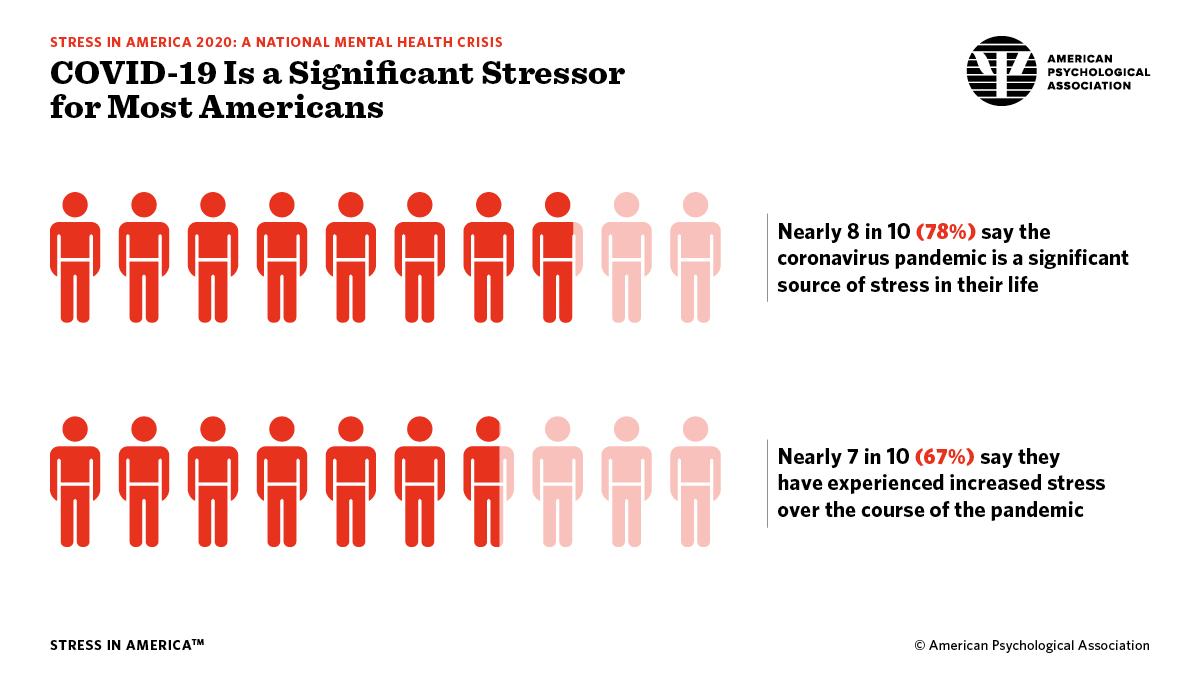
The daily challenges of life can lead to increased stress levels for adults. In our ever-changing world, stress is nearly impossible to evade. A 2020 study by the American Psychological Association (APA) showed that two in three adults (67%) have endured heightened stress levels since the COVID-19 pandemic. Additionally, nearly eight in ten adults stated the pandemic is a significant source of stress in their lives.

Stress can have serious effects on an individual’s overall well-being. When enduring elevated stress regularly, it becomes more than just stress. If stress is left untreated, it can wreak havoc on a person’s physical and mental health. One very serious condition that chronic stress can lead to is depression.

Depression and Its Link to Stress

Chronic stress can gradually worsen a person’s mindset, causing increased negativity and bitterness. These effects can then pave the way for depression to set in. Additionally, individuals with pre-existing mental health disorders are at higher risk of being affected by more stress compared to those without. Studies have shown a clear linkage between stress and depression. This chain reaction is, fortunately, reversible with proper treatment and care.

The World Health Organization (WHO) states that approximately 280 million people endure depression globally. Depression is defined as “a severe mood disorder that causes symptoms that affect how you feel, think, and handle daily activities, such as sleeping, eating, or working.” Individuals may recognize it by continuous sorrow and a lack of interest in previously enjoyed activities. While depression comes in many forms, below are two of the most common depressive conditions associated with chronic stress.

Major Depressive Disorder (MDD)

Currently, the WHO predicts that by 2030 depression will be the leading cause of disease burden across the world. Many studies have linked stress to MDD. MDD is characterized by “persistently low or depressed mood, anhedonia or decreased interest in pleasurable activities, feelings of guilt or worthlessness, lack of energy, poor concentration, appetite changes, psychomotor retardation or agitation, sleep disturbances, or suicidal thoughts”. The hallmarks of this form of depression include consistent depressive symptoms that typically interfere with daily life for a minimum of two weeks.

Persistent Depressive Disorder (PDD)

Life stressors can play a significant role in the development of PDD. The Diagnostic and Statistical Manual of Mental Disorders, Fifth Edition (DSM-5) defines PDD as being in a “depressed mood for most of the day, for more days than not, as indicated by subjective account or observation by others, for at least two years.” Symptoms involved with PDD are similar to those of MDD but are less severe and range from mild to moderate. Regardless of the type, all depression cases should be taken seriously.

Managing Stress

Eliminating stress completely is simply not a viable possibility. There will always be new issues and challenges in daily life. However, choosing to process these stresses more positively can greatly reduce the impact they can have on one’s physical and mental health. Additionally, doing so helps reduce the risks of depression.

Developing healthy eating habits that involve nutrient-rich foods can benefit one’s overall physical wellness and help the mind receive stress factors in less harmful ways. Additionally, physical exercise is a valuable approach to boosting endorphins which aid in the perceptions of stress by improving mood.

The aforementioned lifestyle changes are only the beginning of what one can do to help decrease stress levels. Meditation and deep breathing practices are great ways to center the mind and reduce the effects of stress. Yoga is another advantageous method for combatting stress. Wholesome hobbies like painting or drawing, reading or writing, and much more are also helpful stress-reducing practices.

Journaling can also be beneficial to one’s mental health. With everything written down, one can use the journal as a tool for self-reflection to boost your perceptions of daily life and improve one’s mental state. Furthermore, journaling can especially be helpful in the treatment of depression.

Treating Depression

Without properly managing daily stress, depression can easily slip in and take root. When depression is not tended to, the effects can deepen and lead to additional mental health issues. Most distressingly, the risk of suicide increases with the worsening of symptoms as well as deeper levels of sorrow. Seeking treatment is a crucial step in preventing chronic stress from developing into depression and saving lives. Fortunately, depression can be treated, and programs are available to build a happy and fulfilled life again.

The most common form of treatment for depression, whether stress-induced or otherwise, is psychotherapy. During this form of treatment, people are encouraged to change their perspectives of different situations. This helps them develop new, more practical patterns of thinking. The results of many studies support the value and efficacy of therapy for the treatment of depression in adults.

In some cases, medication such as antidepressants may be prescribed. Additionally, sleep aids and antianxiety medications can also help combat the effects of stress and depression. Determining what is right for each individual begins with a consultation. They can then proceed to evaluate their options and choose the best fit. Everyone’s future happiness is important. Being proactive to better one’s mental health is the first step toward the happy life that one deserves.

Chronic stress and the depression it can cause are both harmful to a person’s mind. No one should have to endure either one. Your well-being matters so much to us and we need you to know just how special you are. You should experience the best in life and we can help you achieve just that. Our mission is to help people just like you find the happiness they deserve. At Alter Behavioral Health, we can show you how great life can be and arm you with the necessary tools and knowledge to show stress exactly who’s in charge. You can defeat your depression and manage stress like a pro. Call (866) 691-4386 today for more information. 

Do I Need Therapy for My Depression?

Depression is a challenging condition that impacts millions of individuals every year. If you are struggling with depression, it is important to know that you are not alone. You may have a plethora of reasons for delaying seeking treatment, such as fear of being stigmatized or thinking that you can solve your depression without professional assistance. However, it is essential to understand that there are a variety of therapeutic options available that can help you treat and manage your depressive symptoms effectively. 

Therapy can provide endless benefits for your depression. Becoming familiar with warning signs that may indicate your need for therapy can help encourage you to seek out and utilize professional treatment. Additionally, learning about the benefits of therapy, as well as what therapeutic options are available, can be instrumental in achieving lasting recovery from depression. 

Feeling Depressed vs. Having Depression

Perhaps you are not diagnosed with a depression-related condition but feel sad, lethargic, or disconnected often. In this case, you may wonder whether you meet the criteria for a diagnosis of depression. 

There are several different types of depression. Understanding these different types can help you reflect on your symptoms to better identify the nature of your condition and encourage you to seek out a professional diagnosis. The National Institute of Mental Health (NIMH) identifies the following five types of depression:

  • Major depression: Characterized by feelings of sadness or hopelessness that last at least two weeks and interfere with your ability to function in daily life
  • Persistent depressive disorder: Characterized by less severe symptoms of depression that last at least two years
  • Perinatal depression: Characterized by symptoms of depression that develop during pregnancy or following childbirth (postpartum depression)
  • Seasonal affective disorder: Characterized by depression that comes and goes with the changes in seasons
  • Depression with symptoms of psychosis: Characterized by severe symptoms of depression with additional symptoms of psychosis, such as hallucinations and delusions

Warning Signs and Symptoms

The most common form of depression is major depression. Major depression includes a few main factors that differ from general feelings of sadness. These symptoms are persistent and interfere with your ability to perform at work or school or tend to personal responsibilities throughout the day. If you are still questioning the severity of your symptoms, here are some warning signs that may indicate a depression-related diagnosis:

  • Persistent sadness 
  • Feelings of hopelessness
  • Feelings of guilt or worthlessness
  • Loss of interest in activities once found pleasurable
  • Changes in eating habits, such as overeating 
  • Changes in sleeping habits, such as difficulties with falling asleep or staying asleep
  • Difficulties with concentration or memory
  • Unexplained aches or pains
  • Suicidal ideation

If you are experiencing any of the above symptoms for more than two weeks, consider finding professional treatment. Further, if you experience suicidal ideation, such as contemplating taking your own life, it is imperative to reach out for help immediately. Things can get better. Professional treatment offers the support and guidance you need to heal. 

Therapeutic Options for Depression

There are a variety of therapeutic options available for treating depression and its effects. It is recommended for individuals with depression to utilize a combination of behavioral therapy and medication to ensure the lasting management of depressive symptoms. 

Cognitive-Behavioral Therapy (CBT)

Cognitive-behavioral therapy (CBT) is one of the most common and well-researched forms of psychotherapy. It combines the approaches of both cognitive therapy and behavioral therapy to address problematic patterns of thoughts, behaviors, and emotions.

In CBT sessions, you will be empowered to view your situation differently by adopting various perspectives. A therapist will help you create newer and more realistic patterns of thinking so that your symptoms will no longer dictate your behaviors. 

Interpersonal Therapy

Another great treatment option for depression is interpersonal therapy. According to World Psychiatry, interpersonal therapy regards depression as a treatable medical illness. Likewise, it sheds light on the powerful role that relationships can play in treatment and recovery. Interpersonal therapy is most effective when used as a short-term intervention. It can be utilized in combination with CBT. 

Antidepressant Medication

Another therapeutic option for depression is antidepressant medications. Medications work to address dysregulated brain areas that contribute to depressive symptoms. In other words, these medications can address your neurological imbalances. Antidepressant medications are most effective when used in tandem with other therapeutic approaches, such as psychotherapy. They can help reduce symptoms so you can reap the benefits of psychotherapy sessions. 

The Benefits of Therapy for Depression

Regardless of whether you have a depression diagnosis or not, therapy can have a variety of benefits on your symptoms. For example, therapy can help you to understand the inevitable links that lie between your thoughts, emotions, and behaviors. By increasing your awareness of these connections, you can feel more in control of your reactions to problematic symptoms. 

Additionally, therapy can increase your confidence and ability to make sound decisions. As depression can undoubtedly affect your self-esteem, therapy can strengthen your problem-solving and conflict-resolution skills. Participating in therapy can also increase your ability to manage stress effectively as it provides effective coping mechanisms to inform lasting recovery. 

Depression can interfere with your ability to function in your daily life. It is important to recognize your need for professional treatment and utilize therapy for lasting recovery. At Alter Behavioral Health, we can provide you with the support and therapeutic interventions that you need to achieve lasting healing from depression. We offer a wide variety of therapeutic interventions, including cognitive-behavioral therapy, interpersonal therapy, medication, and more, to individualize our client care. Do not let your symptoms control the direction of your future. Let us help you begin your healing and recovery journey. To learn more about our treatment programs and services, give us a call today at (866) 691-4386.

How to Be Social With Social Anxiety

Feeling shy and experiencing nervousness is perfectly normal in people of all ages. However, in individuals with social anxiety, these feelings are a lot stronger and more frequent. These people experience true fear and anxiety surrounding socializing that results in avoiding interaction with other individuals and public places. This behavioral pattern can lead to poor relationships, unsatisfactory attendance at work, and disruptions in daily responsibilities and tasks. 

Social Anxiety at a Glance

While there are many forms of anxiety, social anxiety has very distinct markers that set it apart from others. Some of the signs and symptoms that come with social anxiety include:

  • Being afraid of public judgment 
  • Persistent worry of being humiliated or embarrassed 
  • Afraid of encountering strangers
  • Physical signs like blushing, sweating, and a trembling voice
  • Anticipating worst-case scenarios in public interactions
  • Feeling dizzy or lightheaded 
  • Queasy or upset stomach 
  • Fast heartbeat  
  • Muscle strain from being tense

Social anxiety affects people of all ages, though it is most typical in late adolescence through adulthood. According to the National Institute on Mental Health, more than 12% of adults in the U.S. experience social anxiety during their lifetime. If you believe that you or someone you know may be experiencing social anxiety or another form of anxiety, reach out for help. Treatment can help alleviate various anxiety-related conditions. 

Managing Social Anxiety

Professional treatment is often the best route for fast and effective anxiety management. Trained therapists can impart wisdom, tools, and resources for dealing with anxiety-related conditions, and may even prescribe medications to help. However, this is not the only way to manage anxiety well. 

Besides professional treatment, there’s a lot individuals can do at home to manage and cope with social anxiety. This way, they can live the fulfilled life that they crave. Forming a solid self-awareness will allow individuals to comprehend the situations that might trigger their social anxiety. When a circumstance gets particularly challenging, they can compartmentalize it into smaller components and process them one piece at a time. 

Journaling daily habits and tasks is an excellent way to create a written record that can reveal any potential patterns surrounding your social anxiety. Breathing exercises are another great option for anxiety management. Practicing relaxing breaths can alleviate stress, anxiety, and panic. This can be done at home, on the go, in the office, or anywhere else at any time. It is a free, effective, and easy coping technique. 

Easing Into the Social World

Some individuals with social anxiety still find themselves bored or lonely and want to be more social. They may be scared and not sure where to begin. With social anxiety, it’s so hard to break the cycle of staying in so that individuals can visit family, meet new people, and catch up with old friends. Let’s discuss some great ways to get out into the world to experience all that life has to offer. 

Join Group Therapy

Group therapy is an excellent asset in treatment programs for social anxiety. With this method, individuals gain the camaraderie and understanding of other individuals who are facing the same challenges as them. Participants can work together to help alleviate symptoms by gaining more perspective and positivity as a group. This provides the opportunity to make new friends and find things to do with one another that can help ease those with social anxiety into being more social. 

Challenge Yourself

Pick up a new hobby, try a new restaurant for dinner, or go somewhere different. Individuals can push their boundaries a little to challenge their social anxiety. Show it who is in control and who is not. Maybe they go see that new movie they’ve been wanting to watch, call up an old friend for lunch, or take a walk in the park by themselves. Just getting outside in the fresh air and feeling the sun can help tremendously. 

Sign Up for a New Hobby

Broadening one’s knowledge and skill set by learning something new is a great way to challenge social anxiety. Individuals might take up a new hobby or sign up for interesting classes. Not only can they get hands-on by learning a new skill or creating something incredible, but this also provides them with a chance to meet new people with similar interests. Anytime is the right time to expand the mind and one’s capabilities. 

Say Yes

Having social anxiety makes it hard to say yes to social events or outings. Individuals who have this condition can challenge themselves to say yes more often. Maybe someone asks them to coffee recently and they politely declined. What if they challenged themselves to say yes instead? Push back against social anxiety by pushing through the temptation to say “no.” They might be surprised by how enjoyable doing more for themselves can be. 

Seek Treatment

The best thing individuals can do for their social anxiety is seek treatment. With the right guidance and care, anyone can overcome the challenges they face and become the social version of themselves that they want to be. Through therapy, and sometimes medication, people can achieve a happier life free of the burden of their anxiety. 

Craving the joy of more freedom and engagement but being unable to achieve it is the reality of social anxiety. You can flip the script. Anxiety doesn’t have to control you. You are in control of your own narrative and you have the power to rise above these challenges. You deserve to enjoy the best of what life has to offer. If you want to go grab coffee with a friend or watch the latest movie in theatres, you can! At Alter Behavioral Health, we can equip you with the knowledge and skill set to overcome your social anxiety and get the most out of your life. Call us today at (866) 691-4386 for more information and to get started.

What Is the Difference Between BPD and Bipolar Disorder?

Bipolar disorder and borderline personality disorder (BPD) are frequently mistaken for one another. Both of these mental illnesses come with symptoms like impulsivity and mood instability. However, they are separate conditions that require different treatments.

Diagnosis sometimes takes time as the two disorders can appear very similar on the surface. The main distinction between the two is bipolar disorder is classified as a mood disorder, whereas BPD is a personality disorder. These classifications give them distinct traits and treatment needs.

Personality disorders are defined by anomalies in the ways a person thinks, feels, and acts. These are inconsistent with social norms, which can interfere with daily function and cause discomfort. On the other hand, mood disorders are characterized by clear and noticeable changes in emotions. They feature intense lows, referred to as depressive episodes, and extreme highs, referred to as hypomanic or manic episodes. 

What Are the Differences?

Because BPD and bipolar disorder are so similar at a glance, differentiating between the two can be challenging. The occurrence of mania or hypomania in bipolar cases differs considerably from that of BPD. Other characteristics that help distinguish BPD from bipolar disorder are poor and rocky relationships, unstable self-image, and, most notably, the span in which dramatic mood shifts occur. 

In BPD, these mood shifts might last only a few hours and generally no more than a few days. This results in rapid mood swings. On the contrary, bipolar disorder consists of a recurring pattern of manic or hypomanic and depressive episodes. Manic episodes typically last a minimum of seven days, and depressive episodes usually last two weeks or more. This pattern involves similarly extreme shifts in mood, though they are not nearly as frequent as those seen in BPD. 

What Are the Similarities?

While duration is the biggest differentiator, shifts in moods are a primary similarity between BPD and bipolar disorder. This mood instability is referred to as affective instability. Without treatment, the symptoms of both disorders result in difficulty managing moods and emotions consistently. 

Impulsivity is another challenging similarity. This behavior consists of acting without restraint or forethought of consequences. It is a symptom of both disorders. These behaviors are frequently ill-planned, risky, and may have unintended consequences.

Distractibility and irritability are also both found among BPD and bipolar patients. Irritability can quickly lead to anger when ignored. Additionally, distractibility makes staying focused quite difficult when either disorder is left untreated. Studies also show that both disorders feature racing thoughts.

A trusted mental health care professional is needed to provide a proper diagnosis. BPD and bipolar disorder can appear to be so similar but treatment is unique to each. Determining the correct disorder is imperative for receiving the correct care for each individual’s needs.

How Is BPD Treated?

Long-term psychotherapy is the go-to treatment for BPD. Psychotherapy can be performed in both inpatient and outpatient settings. Depending on the severity level of the disorder, inpatient or residential treatment may be needed.

Inpatient treatment is often the best option for BPD. When researching these services, individuals can find that medical specialists provide care around the clock. Such an intensive program has extensive advantages. These include a welcoming and homey setting, constant access to quality assistance, as well as camaraderie. This makes it possible for clients to connect with and socialize with other people facing BPD. 

Alternative options include outpatient programs. These programs are more accommodating to people’s schedules while still being highly regarded for their efficacy in the healing process. Whatever path an individual may choose, assistance is accessible, and a better and happier future is available.

How Is Bipolar Disorder Treated?

The most typical treatment for bipolar disorder is mood stabilizers. These manage manic/hypomanic symptoms during episodes. Along with mood stabilizers, antidepressants are frequently used to treat depressive episodes, which can become medically concerning. This combination of medications is common for treating bipolar disorder. When necessary, antipsychotic and anti-anxiety drugs have also proven beneficial.

Therapy works well in conjunction with medication to manage bipolar disorder. Cognitive-behavioral therapy (CBT) is the most popular method used. This type of therapy combines the therapeutic philosophies of cognitive therapy and behavioral therapy. The focus in CBT is on recognizing issues and determining the most effective solutions. This aids in brain training so individuals can deal with and handle problems as they come up. 

Should I Pursue Treatment?

If untreated, the severity of BPD and bipolar disorder can negatively impact a person’s everyday life and mental health. Reach out for treatment as soon as possible if you or a loved one is exhibiting any of the aforementioned symptoms. By choosing treatment, you are taking a positive and proactive step to better your mental health and your future. With proper guidance, you will be able to manage the effects of your disorder and achieve a sense of emotional balance in life. Reach out today for a proper diagnosis and to explore medication and therapy options.

Reach out for help if you believe you have BPD or bipolar disorder. If neglected, mental health issues can become destructive and affect your daily life. Call Alter Behavioral Health right away, and we’ll help you get an accurate diagnosis and begin the appropriate course of treatment. You don’t have to go through this uncertainty by yourself. We can assist you in finding balance so you can enjoy the emotional freedom you need. You truly deserve happiness and it is just waiting for you to reach out and claim it as your own. Contact us now at (866) 691-4386 for further details and to begin the journey to joy that you’ve been waiting for.