Posts

How Can I Stand Up for My Boundaries When Healing From a Psychological Disorder?

When you are faced with a psychological disorder, it can feel as if you lack self-control in all areas of your life. To gain a sense of grounding as you heal, you must learn to establish personal boundaries – especially in your relationships. Establishing boundaries not fosters a sense of self-control but also allows you to honor your own needs with grace.

At Alter Behavioral Health, we provide care for a plethora of mental health disorders and associated symptoms. We are passionate about facilitating psychological guidance and support no matter where you are on your healing journey. Learning how to set boundaries is just one of the many skills we can help you build as you work to recover from a psychological disorder.

Understanding the Vulnerabilities of a Psychological Disorder

The concept of vulnerability is daunting for many. However, to effectively heal from a psychological disorder, you must learn to accept your own vulnerability.

When you consider vulnerability, do you think of weakness or strength? The truth is that vulnerability is a worthy combination of the two. According to Philosophy, Ethics, and Humanities in Medicine, “Vulnerability thus refers to a state of physical and emotional well-being that is in danger of being disturbed and destroyed due to being susceptible to harmful influences.”

In daily life, when we become exposed to environmental stressors like trauma and stress, we become vulnerable to developing mental health disorders. Additionally, we also become more vulnerable to using alcohol and other drugs to self-medicate such distress. In this case, it is important to recognize our vulnerabilities and seek support to prevent the development of worsening health problems.

In a similar way, when we are diagnosed with a psychological disorder, we must also recognize our increasing vulnerability to experiencing worsening mental health symptoms, especially if our disorder goes untreated. When we learn to accept feelings of anxiety, fear, and apprehension that are commonly associated with vulnerability, we can also accept our need for professional help. In this way, vulnerability serves as a motivator for us to seek out healthier ways to regulate our emotions and behaviors that may result from our disorder.

Vulnerability and Setting Boundaries

When we understand that we are especially vulnerable with a mental health disorder, it helps us to recognize our need for personal boundaries. According to a publication by the U.S Department of Veterans Affairs:

A boundary is a border or limit which we set in order to protect ourselves. Personal boundaries may be physical or emotional and provide an important tool in protecting and caring for ourselves.

Unfortunately, boundaries can get a bad rep, as loved ones that experience the halt of a boundary can fail to understand its importance. However, as you learn to implement personal boundaries into your life, your loved ones will become more familiar with them over time. Thus, with time, boundaries will no longer feel like a form of separation for a loved one but rather a means of respecting your space, time, energy, and overall well-being.

How to Set Boundaries

Setting boundaries is a process that takes time. This process requires you to identify your needs, values, and limits, both pertaining to your psychological disorder and your general well-being in daily life.

Identify Personal Needs and Values

An article by The Canadian Veterinary Journal highlights eight mutually interdependent dimensions of wellness. These include:

  1. Physical
  2. Intellectual
  3. Emotional
  4. Social
  5. Spiritual
  6. Vocational
  7. Financial
  8. Environmental

To begin identifying your personal needs, you can consider addressing your needs in each dimension of wellness. You will find that some of your needs are more objective, such as ensuring that you engage in physical exercise throughout the week or consume a healthy diet. On the other hand, you will also discover needs unique to you and your psychological disorder. For example, considering your environmental status, perhaps you have a need to live in a substance-free environment to heal well from your psychological disorder.

Meanwhile, identifying personal values requires you to think of what matters most to you in your life. Values are necessary as they guide our behavior and actions, often in a positive way. Some examples of values include:

  • Honesty
  • Respect
  • Family
  • Openness
  • Love
  • Kindness

Establish Your Limits

As your needs and values become more clear, you can feel more confident in your ability to set boundaries. Boundaries require you to be straightforward with your limits and to state your needs directly. Moreover, you can create boundaries for just yourself as well as boundaries for your loved ones.

An example of a personal boundary is saying no to an offer that makes you uncomfortable, especially as you participate in treatment for your psychological disorder. Another example is inhibiting yourself from dating until you feel confident in your self-esteem. An example of a boundary set for your relationships is not allowing a loved one to speak down to you. To ensure that your boundaries are respected by others, you may need to create additional limitations and consequences, such as limiting contact for a certain amount of time.

Healing From a Psychological Disorder

At Alter Behavioral Health, we know how challenging it can be to create and establish personal boundaries. Further, we understand that boundary setting can seem even more overwhelming with the presence of a psychological disorder. Fortunately, we are here to guide and support you as you work to adopt therapeutic techniques for lasting symptom management, including learning how to set boundaries.

As you work to heal from your psychological disorder, you must establish and prioritize boundaries to ensure lasting healing. Setting boundaries not only helps to strengthen your interpersonal relationships but it also strengthens the respect you have for yourself. Alter Behavioral Health can help you identify and establish boundaries as you participate in a professional treatment program for wellness. We offer a wide range of therapeutic approaches and modalities to ensure that our client care is individualized and holistic. We can craft you a unique treatment plan that fits your needs and recovery goals. To learn more about our facility or treatment programs, give us a call today at (866) 691-4386.

How Can Dialectical Behavior Therapy Help Me Become Self-Empowered?

Any type of psychological disorder can feel overwhelming and uncontrollable. These feelings can be intense during the early days of a disorder’s symptoms appearing. Someone with a mood disorder may understand those feelings intimately, as intense, uncontrollable emotions are a symptom of many mood disorders. Treatment for mood disorders often includes dialectical behavior therapy (DBT). Learning DBT skills at Alter Behavioral Health can teach a person to regulate their emotions, as well as learn self-confidence and feel self-empowered in themselves.

Mood Disorders

There are many names for categories of psychological disorders or mental illnesses. Mood disorders are a common phrase to describe a category of mental health disorders that affects a person’s emotional state of mind or mood. This can, in turn, influence dysfunctional behavior. Having a mood disorder simply means that a person will find it difficult to regulate their emotions or have healthy and consistent relationships. However, those skills can be learned with time and the appropriate support.

Dialectical Behavior Therapy

A proven therapeutic approach to helping a person with a mood disorder or with suicidal ideation is using DBT.

Emotional Regulation

With a mood disorder such as borderline personality disorder (BPD), a person may struggle to regulate their emotions. This can cause constant mood swings, reactive behavior, and stress between the person and their loved ones. DBT is employed to help someone with BPD understand their emotions. Understanding emotions leads to maintaining control over how they are displayed or expressed.

By developing emotional regulation skills, a person can learn to interact with people more appropriately. However, the best part is being able to be in any situation and still manage emotions when you feel upset or uncomfortable.

Distress Tolerance

Continuing with the example of BPD, a person with this disorder will experience a lot of distress. This can come in the form of pain and sadness, or anxiety. Mood disorders, including BPD, can cause irrational and constant worries and thoughts. A person with BPD may struggle in everyday situations because of their internal worries, thoughts, memories, or outlook on life. When someone with a mood disorder is in a distressing situation, they may take impulsive actions to lessen the distress or get out of the situation.

In treatment or therapy, DBT teaches skills to tolerate those feelings of stress rather than reacting. This lessens impulsivity. However, distress tolerance also teaches a person radical acceptance. This helps them accept life as they experience it, with its ups and downs.

Interpersonal Effectiveness

Most people today find it difficult to interact with others, even if they know them. The US has a culture of independence, which can often alienate people from each other. However, with a mood disorder, those feelings of difficulty increase tenfold. Someone with a mood disorder will struggle to maintain relationships because of the distress that can come with interactions, but also because of their thoughts and mood.

Through DBT, interpersonal effectiveness skills are taught. This helps a person learn how to communicate effectively, make themselves heard and understood, and tolerate the differences or things they do not understand about the other person.

Mindfulness

The practice of mindfulness is to be present in the moment. This may sound basic, but someone with a mood disorder, or any psychological disorder, may struggle to sit with themselves and their feelings. It is harder than it sounds to sit with your emotions. Especially because mindfulness also teaches nonjudgement.

By mastering mindfulness, a person can sit, feel, and describe their emotions without self-judgment. When a person can eliminate self-judgment, they are freer to have fun, interact with others, or just be without developing self-hate.

Becoming Self-Empowered With Dialectical Behavior Therapy

Through DBT, a person learns how to live a more enjoyable life. Psychological disorders can feel like a self-attack sometimes. They can be painful and difficult to manage. However, with the right treatment, that does not have to be the case. With the right support and therapy, anyone can become self-empowered.

By learning distress tolerance, interpersonal effectiveness, mindfulness, and emotion regulation, a person gets to learn confidence in their thoughts, their emotions, their reactions, and their existence. That is empowering on its own, but interpersonal effectiveness literally teaches a person skills ranging from acting assertively to maintaining self-respect. Self-respect can only grow into feeling empowered in oneself.

Programs That Use Dialectical Behavior Therapy

Anyone can benefit from what DBT teaches, regardless of the disorder. It is up to a person’s therapist, treatment team, and themselves to decide whether DBT is a good fit. Through the different programs, a person can engage in DBT.

Residential Treatment

This level of care is for someone who needs more constant support and accountability. In residential care, a person lives on-site in their own bedroom but in a shared living and treatment space. At Alter Behavioral Health’s residential program, a person can find fully furnished and decorated space, so they can move in and immediately focus on healing and learning to thrive with their disorder.

Outpatient Treatment

After completing residential, a person can step down to one of several outpatient programs. However, someone does not need to go through residential care to be able to participate in outpatient. Sometimes a person cannot take time off work, school, or from family to attend treatment. With different outpatient programs, a person attends treatment programming for six to 30 hours a week, so they can still attend to their other responsibilities the rest of their time. 

Being diagnosed with a psychological disorder often causes feelings of shame and fear. This is due to the stigma and lack of understanding society has for mental health disorders. However, any disorder can provide new strength and wisdom that others do not have. There can be pride in living and managing a disorder. At Alter Behavioral Health, different treatment modalities are used, such as dialectical behavior therapy (DBT), to help you learn to thrive with your disorder. Through therapy and medication management, you gain control over your life and learn to let control go. You become the expert in your life. Call us today at (866) 691-4386 to hear how you can gain stability through therapy.  

How Can Alter Behavioral Health Help Me Replace Negative Behavioral Patterns With Healthy Ones?

People’s emotions and behavior are connected. Negative thoughts and emotions can lead to inappropriate coping methods, such as using substances or having unsafe sex. However, with the proper skills and tools, you can manage your emotions and control your behavior.

Why Treat Negative Patterns of Behavior?

Stigmas, or negative attitudes and beliefs, against people with mental health disorders continue to exist in society, even though more and more people are open and honest about their mental health. When people hold prejudice against a whole group of people, it can impede people from seeking help when they have more serious mental concerns.

Negative behavior can be normal like a child throwing a tantrum because they do not know how to communicate. However, some negative behaviors can be learned to help a person survive. For example, if a child does not get their needs met at home, like food, they may turn to stealing or bullying to get what they need. Their behavior can continue into adulthood, even if they learn right from wrong. This is because the negative behavior helped and protected them in the past. As a result, they will continue to engage in this behavior.

Treating negative patterns of behavior, especially early on, can help break cycles of trauma, mental illness, poverty, and other negative life outcomes.

Therapies to Combat Negative Symptoms of Mental Illness

With three locations in California, Alter Behavioral Health provides compassionate, judgment-free care to help you understand and manage your mental health. This is done primarily through cognitive-behavioral therapy (CBT).

Exploring CBT

During negative experiences of traumas, especially in childhood, a person can learn unhealthy behaviors and ways of surviving. For example, if a child grows up in a home where their parents neglect them, they may attempt to do anything to make their parents happy and pay attention to them. This can cause that child to grow up insecure in relationships or a people-pleaser with an underlying disorder.

With disorders like anxiety, depression, or post-traumatic stress disorder (PTSD), CBT is used to identify patterns of thinking and false beliefs. When you can identify and see what you are doing to harm yourself, it is easier to change that behavior or stop it.

What Else Does Alter Behavioral Health Offer to Help with Negative Patterns?

From birth until approximately 17 years of age, traumatic experiences are called adverse childhood experiences (ACEs). During these experiences, a person may not receive the proper teachings that help them become an independent adult. Since ACEs affect a person’s psychological, physical, and spiritual well-being, Alter Behavioral Health offers five other support services besides CBT or other therapies.

#1. Holistic Approach

The first service you will receive at Alter Behavior Health is a holistic approach to your healing and treatment. Your symptoms of anxiety, depression, or whatever is ailing you do not define you. There is more to you than your negative thinking or behavior.

Holistic treatment, or whole-person wellness, focuses on the whole person’s wellness and health, not just the symptoms of your disorder. That way, you get to heal all aspects of yourself that were harmed.

#2. Individual and Group Support

With Alter Behavioral Health, you receive a minimum of two individual therapy sessions a week for the duration of your treatment. This is combined with various group therapies to support you while you heal. While some parts of your healing are private and just for you to share with your therapist as you are ready, other parts of treatment require others’ help.

When you have only ever known dysfunction in your family, social life, school, work, or other parts of your life, you would not have learned appropriate behavior or interactions. Through group therapy and psychoeducational groups, you learn how to communicate with others and be in a community with them. Within that, you learn appropriate group functions, such as family dynamics or navigating a program with someone you do not like.

#3. Medication Management

When you have a mental health disorder, the chemicals in your brain may be processed or produced at different rates than others. This can cause intense emotions, impaired comprehension, and more. Sometimes medications can help balance out those chemicals, helping your body produce them or providing hormones.

Medications can be beneficial in the early stages of healing, or in general, depending on your disorder. When you go through Alter Behavioral Health’s programs, you receive education on your existing medications, adjustments to medications or dosage, and help to keep to your medication schedule. Having assistance with your medication provides stress relief and allows you to focus on other aspects of healing.

#4. Family and Community Services

Regardless, while you are there with others in treatment, it can sometimes feel isolating. From your first week at Alter Behavioral Health, you receive support and encouragement to reach out to your family. During treatment, you will work on reconnecting with your social circle. If your previous social circle was unhealthy, you can receive support through therapy on how to establish a new social network.

During treatment, you are healing from psychological, physical, social, and emotional trauma. That is very sensitive work. You should not be on that journey alone, which is why establishing social connections is essential in treatment.

#5. Treatment and Discharge Planning

You know yourself best, meaning you should be part of your treatment planning. At Alter Behavioral Health, you can meet with your medical doctor weekly to discuss your progress and specific needs.

While in treatment, you receive near-constant support. Returning to your life without that support can feel scary, unknown, and alien. This is why another support service is helping you plan for discharge, prepare you to return home, and establish post-discharge plans.

Do you find yourself doing things months ago you would not have? Are you struggling with your thoughts and actions? This could be a sign that something internal needs attention. Due to adverse childhood experiences (ACEs), you can learn unhealthy ways of coping, which is a survival technique. At Alter Behavioral Health, without judgment and with compassion, we can help you identify unhealthy behavior and thought patterns. From this, our clinical team can help you understand how to manage your emotions with the skills to back them up. With our evidence-based therapies, you can work with your medical doctor to design a treatment plan. Contact us today at (866) 691-4386.

Understanding the Anxiety of Specific Phobia

Approximately 12.5% of U.S. adults experience “specific phobia” at one point or another during their lifetime. Specific phobia can be understood as “an intense, irrational fear of something that poses little or no actual danger.” This anxiety disorder involves ongoing, excessive, intense fears of distinctive circumstances or entities. The level of fear associated with these phobias results in anxiety and avoidance.

Specific Phobia: The Fear and Anxiety

According to the Diagnostic and Statistical Manual of Mental Disorders, Fifth Edition (DSM-5), specific phobias are considered anxiety disorders. This classification is given due to the genuine and extreme level of fear associated with the phobia. The primary side effect of this fear is immense anxiety.

Signs and Symptoms

There are several recognized anxiety disorders, all of which share some things in common. However, specific phobia has very distinct markers that make it unique to other anxiety conditions. Below are some of the many symptoms associated with specific phobia:

  • Ongoing anxiety and fear regarding a distinct entity or circumstance (the phobia). The DSM-5 requires an individual to experience these feelings for more than six months to obtain a diagnosis.
  • An individual’s central phobia consistently causes anxiety and fear, resulting in continued avoidance.
  • These symptoms are generally irrational in comparison to the actual calculated danger of the object of the phobia.
  • Symptoms impact the individual’s ability to function, and they create mental distress.

The Phobias of Specific Phobia

An individual’s phobia center can vary greatly depending on the person. These centers may be animals, bugs, bacteria, heights, storms, small spaces, or many other things. Below is the categorical outline given by the DSM-5 on possible phobia centers:

  • Specifier Category: Animal Type (arachnids, insects, canines)
  • Specifier Category: Natural Environment Type (heights, thunder, water)
  • Specifier Category: Blood-Injection-Injury Type (needles, invasive surgery)
  • Specifier Category: Situational Type (airplanes, elevators, small places)
  • Specifier Category: Other Type (avoiding circumstances that can result in choking, vomiting, or contracting an illness; in children, avoidance of loud sounds or costumed characters)

Causes and Risk Factors

There is a lot of mystery surrounding specific phobias. The exact cause has yet to be determined. However, the following factors may be involved:

  • Initial scary encounters regarding the specific center of phobia that resulted in panic or severe anxiety
  • An existing fear that a parent may already have — genetic makeup may also play a role
  • Changes in the chemical makeup of the brain

In addition to the various possible causes of specific phobia, certain factors may increase a person’s risk of development. These may include:

  • Being under the age of 10 increases the risk significantly, though this disorder has been seen to develop later in life as well
  • Family members with specific phobias, as specific phobias can be a learned behavior
  • Personality traits such as being prone to negative or sensitive thoughts and behavior

What Treatment Looks Like

The avoidance and anxiety surrounding specific phobias are the primary effects of this disorder. Consequently, exposure therapy is often used as a treatment in combination with more traditional psychotherapies such as cognitive-behavioral therapy (CBT).

During exposure therapy, psychologists construct a safe setting where participants are gradually exposed to their phobia center. Being exposed in this manner allows an individual to experience their phobia in a safe and controlled environment. Doing so helps them overcome the phobia gradually and reduces overall fearfulness and avoidance.

CBT is also very effective in treating specific phobia disorders. During CBT, individuals learn to recognize negative or harmful thought patterns and behaviors. As a person progresses through this therapy, they will learn how to process their issues and work through them one step at a time. This framework can result in the ability to process on the go and retrain the brain to accept more positive and productive thought processes.

Medication may also be prescribed for specific phobia cases. Whether the fear is proportionate to the object or not, the anxiety experienced in reaction to it is still very real. Antianxiety medications are the primary drug choice for treating specific phobias. These work to alleviate symptoms of anxiety and boost mood. In some cases, antidepressants and sleep aids may be administered due to the many co-occurring conditions that accompany anxiety.

Fear-Free Freedom

Have you ever envisioned a life where you are free of your fears and anxiety? A life where you can shed these troubles like a second skin? Take a moment to think about it. You are in control of your life and your future — you and no one else. Do you want to be free of these challenges? You can be. There are programs available to help you overcome your phobia so that you don’t have to live with it anymore. You can find freedom from the fear and anxiety that rules part of your life.

Whether the fear of a certain object or situation is considered out of proportion or not, the anxiety you feel from your phobia is very real and can be hard to manage. The stress factors of avoidance and anxiety are harmful to your mind and body. You can put an end to these challenges and we can help. At Alter Behavioral Health, we can help you overcome your phobia. Let us guide you toward a fear-free and anxiety-free life without hindrances that specific phobia disorder can inflict. You can live your life to the fullest and shed your fears. Call us today at (866) 691-4386 for more information and to get started with our all-encompassing treatment plan. 

How Stress Can Lead to Depression

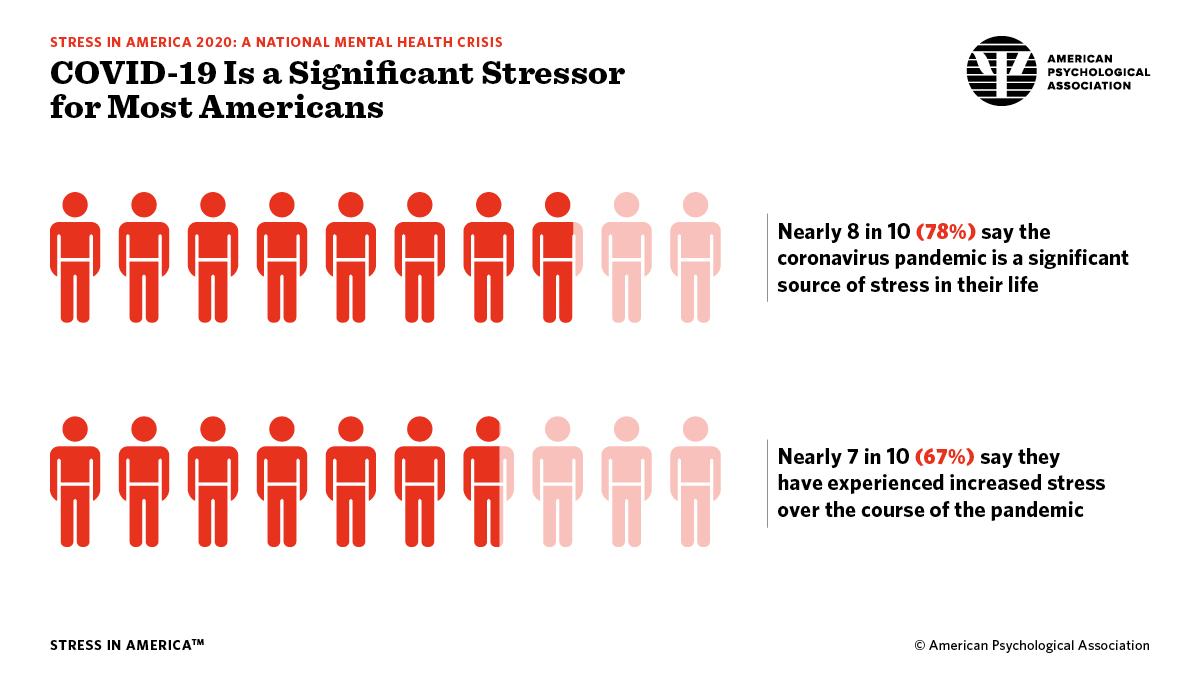
The daily challenges of life can lead to increased stress levels for adults. In our ever-changing world, stress is nearly impossible to evade. A 2020 study by the American Psychological Association (APA) showed that two in three adults (67%) have endured heightened stress levels since the COVID-19 pandemic. Additionally, nearly eight in ten adults stated the pandemic is a significant source of stress in their lives.

Stress can have serious effects on an individual’s overall well-being. When enduring elevated stress regularly, it becomes more than just stress. If stress is left untreated, it can wreak havoc on a person’s physical and mental health. One very serious condition that chronic stress can lead to is depression.

Depression and Its Link to Stress

Chronic stress can gradually worsen a person’s mindset, causing increased negativity and bitterness. These effects can then pave the way for depression to set in. Additionally, individuals with pre-existing mental health disorders are at higher risk of being affected by more stress compared to those without. Studies have shown a clear linkage between stress and depression. This chain reaction is, fortunately, reversible with proper treatment and care.

The World Health Organization (WHO) states that approximately 280 million people endure depression globally. Depression is defined as “a severe mood disorder that causes symptoms that affect how you feel, think, and handle daily activities, such as sleeping, eating, or working.” Individuals may recognize it by continuous sorrow and a lack of interest in previously enjoyed activities. While depression comes in many forms, below are two of the most common depressive conditions associated with chronic stress.

Major Depressive Disorder (MDD)

Currently, the WHO predicts that by 2030 depression will be the leading cause of disease burden across the world. Many studies have linked stress to MDD. MDD is characterized by “persistently low or depressed mood, anhedonia or decreased interest in pleasurable activities, feelings of guilt or worthlessness, lack of energy, poor concentration, appetite changes, psychomotor retardation or agitation, sleep disturbances, or suicidal thoughts”. The hallmarks of this form of depression include consistent depressive symptoms that typically interfere with daily life for a minimum of two weeks.

Persistent Depressive Disorder (PDD)

Life stressors can play a significant role in the development of PDD. The Diagnostic and Statistical Manual of Mental Disorders, Fifth Edition (DSM-5) defines PDD as being in a “depressed mood for most of the day, for more days than not, as indicated by subjective account or observation by others, for at least two years.” Symptoms involved with PDD are similar to those of MDD but are less severe and range from mild to moderate. Regardless of the type, all depression cases should be taken seriously.

Managing Stress

Eliminating stress completely is simply not a viable possibility. There will always be new issues and challenges in daily life. However, choosing to process these stresses more positively can greatly reduce the impact they can have on one’s physical and mental health. Additionally, doing so helps reduce the risks of depression.

Developing healthy eating habits that involve nutrient-rich foods can benefit one’s overall physical wellness and help the mind receive stress factors in less harmful ways. Additionally, physical exercise is a valuable approach to boosting endorphins which aid in the perceptions of stress by improving mood.

The aforementioned lifestyle changes are only the beginning of what one can do to help decrease stress levels. Meditation and deep breathing practices are great ways to center the mind and reduce the effects of stress. Yoga is another advantageous method for combatting stress. Wholesome hobbies like painting or drawing, reading or writing, and much more are also helpful stress-reducing practices.

Journaling can also be beneficial to one’s mental health. With everything written down, one can use the journal as a tool for self-reflection to boost your perceptions of daily life and improve one’s mental state. Furthermore, journaling can especially be helpful in the treatment of depression.

Treating Depression

Without properly managing daily stress, depression can easily slip in and take root. When depression is not tended to, the effects can deepen and lead to additional mental health issues. Most distressingly, the risk of suicide increases with the worsening of symptoms as well as deeper levels of sorrow. Seeking treatment is a crucial step in preventing chronic stress from developing into depression and saving lives. Fortunately, depression can be treated, and programs are available to build a happy and fulfilled life again.

The most common form of treatment for depression, whether stress-induced or otherwise, is psychotherapy. During this form of treatment, people are encouraged to change their perspectives of different situations. This helps them develop new, more practical patterns of thinking. The results of many studies support the value and efficacy of therapy for the treatment of depression in adults.

In some cases, medication such as antidepressants may be prescribed. Additionally, sleep aids and antianxiety medications can also help combat the effects of stress and depression. Determining what is right for each individual begins with a consultation. They can then proceed to evaluate their options and choose the best fit. Everyone’s future happiness is important. Being proactive to better one’s mental health is the first step toward the happy life that one deserves.

Chronic stress and the depression it can cause are both harmful to a person’s mind. No one should have to endure either one. Your well-being matters so much to us and we need you to know just how special you are. You should experience the best in life and we can help you achieve just that. Our mission is to help people just like you find the happiness they deserve. At Alter Behavioral Health, we can show you how great life can be and arm you with the necessary tools and knowledge to show stress exactly who’s in charge. You can defeat your depression and manage stress like a pro. Call (866) 691-4386 today for more information. 

The Co-Occurring Disorders of Dissociative Identity Disorder (DID)

Dealing with intense amounts of worry and/or stress can result in moments of dissociation. This condition comes as the mind’s natural coping mechanism of “pulling away” when one endures too much pressure too often. Dissociative disorders are defined as mental illnesses “characterized by an involuntary escape from reality.” This cognitive pullback looks like a “disconnection between thoughts, identity, consciousness, and memory.”

It is estimated that roughly 75% of individuals experience dissociation at some point during their lifetime. However, only about two percent meet the requirements to be diagnosed with a chronic dissociative condition.

What Is Dissociative Identity Disorder (DID)?

Dissociative identity disorder (DID) was previously known as multiple personality disorder. DID is a severe form of dissociation that involves amnesia-like symptoms. These are characterized by recurrent memory gaps where individuals cannot recall personal information, recent events, or essential facts.

While there are multiple forms of dissociative disorders, DID is individualized by the involvement of two or more distinct identities. These appear as unique personalities that exist simultaneously within a person who attempts to take control. They often have different names with independent likes, traits, and mannerisms. 

In the past, predominantly women were diagnosed with such conditions. However, research has shown that it occurs in men as well. One study indicates that men only seem to take up a smaller percentage due to being less likely to seek professional care. Per the data, men with dissociation have a higher chance of landing in legal trouble versus the health system.

Co-Occurring Disorders at a Glance

Co-occurring disorders, also called comorbid conditions, occur when two or more conditions occur simultaneously within an individual. Having multiple conditions leads to interactions between disorders that often irritate each others’ symptoms. Despite these interactions, the conditions remain independent of each other. DID is widely known to co-occur with other mental health disorders. 

Comorbidity Among Individuals With DID

There are many comorbid conditions associated with DID. Proper diagnosis is essential before beginning any form of treatment. Facing any mental health disorder can be very challenging, especially without guidance from experts in the field. Below are some of the most common conditions that co-exist in individuals who face DID. 

Borderline Personality Disorder (BPD)

BPD has been diagnosed in a range of 30%-70% of individuals with DID. This disorder generally begins during a person’s adolescent years or early adulthood. It is defined by the National Education Alliance for Borderline Personality Disorders (NEA BPD) as “a serious mental illness that centers on the inability to manage emotions effectively.” Its primary symptoms involve an individual’s emotions. These symptoms may vary depending on the type of BPD diagnosed. 

Post-Traumatic Stress Disorder (PTSD)

Given that both DID and PTSD are trauma-related conditions, it comes as no surprise these are well-known comorbid conditions. PTSD is a serious mental health disorder that is the result of undergoing or witnessing a traumatic circumstance.

It is a common misunderstanding that PTSD is exclusively found in war veterans. However, this condition can develop in anyone after experiencing a traumatic event. The most common symptom is extreme terror, which initiates a “fight or flight” reaction in the body to prevent personal harm.

Depression

Studies have shown depression to be very common among DID patients. An estimated 280 million people across the globe face depression. It comes in various types and has also been called clinical depression. While the different forms of depression have distinct markers that individualize them, all variants involve a constant sense of unhappiness or sorrow. Major depressive disorder (MDD) is the most common form found to co-occur with DID. 

Treating DID and Comorbid Conditions

Dissociative disorders like DID and their co-existing conditions can be treated. All it takes to get started is getting in touch with a professional to initiate the diagnosis process. This typically involves an initial patient intake with a physical and mental evaluation. Once a diagnosis has been established, the next step is to begin treatment. Treatment programs vary depending on an individual’s unique needs.

Trauma-related conditions can often be treated with medication. These prescriptions can ease the symptoms that trauma inflicts on a person. Medicine can also aid in treating comorbid conditions like depression and BPD. Antidepressants such as selective serotonin reuptake inhibitors (SSRIs) can assist by increasing the level of serotonin in an individual. This boost helps control mood and appetite. It has also been known to aid in sleep troubles associated with DID. 

Psychotherapy is another highly effective treatment for DID and co-occurring disorders like depression, BPD, and PTSD. The most common form of therapy for these disorders is cognitive-behavioral therapy (CBT). This type of therapy helps the individual learn how to recognize distinct triggers and damaging thought habits. Then, the person can work through these matters as they go and eventually retrain the brain to higher positivity and productivity. 

Achieving a Happy Future

When DID takes over and its comorbid conditions are impacting an individual’s everyday life, it’s important to reach out for help. Everyone deserves a life of happiness without the weight of mental health concerns. By being proactive and taking the proper steps to better themselves and their mind, individuals ensure a future that they can genuinely look forward to living.

The challenges of DID can be especially difficult when dealing with other mental health concerns. Conditions like depression can pull you down, making you feel like giving up. Your story matters to us. At Alter Behavioral Health, we believe your future chapters in life can be beautifully written. Never give up and never give in. We can help you and be the rock you need to build a solid foundation for your mental health journey. Let us guide you through your DID and comorbid disorders toward a bright and happy future. Chapter one starts with one phone call that will change your life for the better. Call us today at (866) 691-4386 and let’s write the rest with you.

Do I Have ADHD?

Staying focused, staying on-task, and getting things done are challenges for most individuals in the world. Facing attention-deficit/hyperactivity disorder (ADHD) brings these challenges to a much higher difficulty level. What is often thought to be a disorder amongst adolescents, ADHD is quite prevalent in adults. An estimated 4.4% of adults in the United States struggle with ADHD.

What Is ADHD?

According to the National Institute of Mental Health (NIMH), ADHD is marked by an ongoing pattern of inattention and hyperactivity-impulsivity that interferes with functioning or development. These symptoms make daily mundane tasks challenging to accomplish. The effects of ADHD can disrupt an individual’s work life as well as their home and personal life. ADHD starts in the early adolescent years and continues through adulthood.

The symptoms of adult ADHD are not at apparent as ADHD in children or teens due to the level of hyperactivity often decreasing with age. However, impulsive behavior, low attention span, and restlessness persist in adults facing ADHD.

The Signs and Symptoms of ADHD

There are three main categories of symptoms recognized in ADHD. These include inattention, impulsive behavior, and hyperactivity. Age and gender can result in different effects of ADHD. However, the aforementioned categories are consistent throughout ADHD cases in adults.

Inattention

With ADHD comes the inability to stay focused and on-task. Individuals facing ADHD may struggle to pay attention and maintain organization in their daily lives and routines. This inattention can lead to being easily distracted, missing important details, and avoiding tasks or responsibilities requiring extra attention.

Inattention in ADHD can also result in the following:

  • Losing important objects or items
  • Constant starting and not finishing tasks due to bouncing around from one thing to another quickly
  • Missing appointments and other obligations from forgetfulness

Impulsive Behavior

Jumping into things without careful consideration or acting rashly without thinking them through is another symptom of ADHD. Impulsivity involves a person’s lack of self-control in situations that require thought.

An individual with ADHD may find it challenging to do the following:

  • Waiting until another person has finished speaking to respond to them
  • Making important decisions without proper thought or care
  • Waiting for their turn in line

These symptoms of ADHD can result in risky decisions that can drastically impact the individual’s future.

Hyperactivity

The inability to sit still, be calm, and focus is considered to be hyperactivity. An individual with ADHD may experience constant fidgeting, squirming, excessive talking, and restlessness. In adolescents, these symptoms are more evident. However, adults with ADHD still face these issues even though they can appear different from those of children.

Sitting still for any period of time is often difficult for individuals facing ADHD. This can be particularly challenging for people sitting through a college course, working at a desk job, or participating in a meeting.

Staying On-Task

Strict schedules and reminders can help improve an individual’s everyday life. Scheduling can come in the form of a physical daily, weekly, and monthly planner or an in-depth scheduling app on the phone. Having responsibilities and tasks written down can help individuals stay on track and manage their ADHD successfully.

Additionally, setting reminders on the phone can help people with ADHD keep up with what needs to be done when it needs to be done. Studies have found that sticking to a regular routine can help improve the symptoms of ADHD.

Treatment for ADHD

Having a facility that is trustworthy and taking positive steps at home can lead individuals to a happy and organized life of productivity and progress. Treatment for ADHD is widely accepted and proven successful for adults who face the challenges presented by the disorder.

Medication

Medication is the primary factor involved in treating ADHD. There are several medications available that are broken into two categories: stimulants and non-stimulants. Finding which medication is right for each individual is part of any treatment plan for ADHD.

According to the NIMH, stimulants work “by increasing the brain chemicals dopamine and norepinephrine, which play essential roles in thinking and attention.” However, stimulants do have the potential for abuse and can have side effects.

Non-stimulants are also medication options for those struggling with ADHD. These medications take longer to work but also improve ADHD symptoms. Non-stimulants are typically prescribed in the following scenarios:

  • Side effects from stimulants were bothersome
  • Someone in recovery from SUD is not comfortable taking a stimulant medication
  • A stimulant medication was not effective
  • In combination with stimulants to more effectively treat symptoms

Therapy

Another beneficial treatment method for the improvement of ADHD symptoms is therapy. Therapy cannot treat the disorder alone. However, studies have shown that therapy can have a positive effect on the treatment process of ADHD.

Finding Healing From ADHD

Individuals don’t have to let ADHD take them on a chaotic roller coaster of unfinished tasks, missed appointments, and disorganization. They can control the next steps they take in efficiently managing and controlling their ADHD today, tomorrow, and for the rest of their life. Choose happiness. Choose you.

The chaos that comes with ADHD can be challenging to navigate. Day-to-day activities become a chore, and making progress can be a struggle. Here at Alter Behavioral Health, we understand how difficult these challenges are and take a unique and fully-rounded approach to treating ADHD. You can put an end to the chaotic struggles that ADHD brings with our all-encompassing scope of treatment built for people just like you. You are in control, and you can take back the reins of your life today by calling us at (866) 691-4386. Let tomorrow and every day after be a day full of progress and activity that you can’t wait to dive into.