Posts

Depression: Listlessness When Pursuing the Hobbies You Love

“Depression” is often used as an umbrella term to describe symptoms of listlessness. It is also used to describe specific forms of depressive disorders, including major depressive disorder (MDD), persistent depressive disorder, postpartum depression, seasonal affective disorder, etc.  Whether you are diagnosed with a depressive disorder or are exhibiting related symptoms, you are not alone. By utilizing professional treatment services and resources, more specifically, those provided by Alter Behavioral Health, you can gradually incorporate the hobbies you love back into your daily life.

The Prevalence of Depression

Depression, at large, affects a great number of the United States population. According to the American Journal of Preventative Medicine, “Major depression is the most common mental disorder in the U.S. and is the strongest risk factor for suicide behavior.” Data from the article revealed an undeniable increase in past-year depression, finding that the prevalence was 7.3% in 2015 and rose to 9.2% in 2020. Moreover, depression continues to rise as a result of events such as the COVID-19 pandemic and other destructive events.

These statistics highlight the significant number of people affected by depression, validating that you are not alone in what you are experiencing. Moreover, although depression exists on a spectrum, it must be urgently treated to avoid worsening health complications from surfacing, such as suicidal ideation.

Depression: The Shadow of Listlessness

The National Insitute of Mental Health (NIMH) lists a host of signs and symptoms of depression. In order to be diagnosed, symptoms must be present for at least two consecutive weeks. You may have depression if you:

  • Experience a persistent sad or depressed mood
  • Feel guilty, worthless, or helpless
  • Have lost interest in activities you once found pleasurable; listlessness
  • Experience chronic fatigue
  • Have difficulties concentrating
  • Experience sleeping issues, such as insomnia
  • Have unexplained physical aches and pains
  • Are feeling increasingly more irritable or frustrated

It is also important to understand that depression often appears differently in women compared to men. For example, men may exhibit more aggressive or irritable behavior. As a result, they are often more likely to turn to alcohol to self-medicate symptoms. Still, women also experience an increased risk of substance abuse as a result of depression.

Although you may recognize the severity of your symptoms, you may feel particularly saddened by your inability to participate in the hobbies you love. Fortunately, professional treatment can help to treat any chemical imbalances, intrusive thoughts, or problematic emotions that facilitate depressive symptoms like listlessness.

Treating Depression

At Alter Behavioral Health, we recognize that depression is a multifaceted mental illness. Unfortunately, depression often co-occurs with other mental health disorders or substance use disorders (SUDs). Because of this, we believe that it is essential to diagnose and treat all existing conditions in tandem to ensure effective recovery. The most valuable treatment methods for depression include cognitive-behavioral therapy (CBT) and antidepressant medication. When used in tandem, prescription medication often increases the effectiveness of the therapeutic process.

Once you begin a treatment program, your team of treatment professionals will guide your healing. As you participate in CBT, interpersonal therapy, or other therapeutic groups, you will adopt a variety of skills and strategies that will serve as encouragement on your route to healing and recovery.

If you are prescribed antidepressant medication, allow your medication some time to begin working properly. Over time, your medication will work to balance neurotransmitters in your brain that will gradually restore feelings of hope, contentment, and motivation. Patience will help you as you attempt to pursue the hobbies you love alongside depression.

Incorporating the Hobbies You Love Into Your Recovery

Learning how to incorporate the hobbies you love back into your life with depression can be a daunting task. This can be especially so if you are not participating in a treatment program. As depression often occurs as a result of chemical imbalances in the brain, you simply cannot expect your brain to balance these levels on its own. This is why antidepressant medication often plays a crucial role in the treatment process.

On the other hand, participating in treatment can also serve as greater motivation to pursue the hobbies you love. For example, in group therapy, you will likely connect with others that share similar hobbies and interests with you. You can lean on these connections and use them as motivation to pursue your hobbies. Moreover, you can choose to pursue such hobbies alongside your peers. Often, facilities incorporate group activities into treatment, which can help you develop a passion for new hobbies.

Suggestions for Pursuing the Hobbies You Love

Working with a therapist to discuss your hobbies, interests, values, and more can also foster motivation for pursuing the hobbies you love. It may help to keep in mind the following:

  • Start slow and small: Incorporate ten to 20 minutes of a hobby you love into your daily routine and work up from there.
  • Focus on self-care: Pay attention to the hobbies that foster physical and mental wellness. For example, consider incorporating mindfulness exercises or physical activity into your daily routine.
  • Breathe in nature: Try to engage in the hobbies you love outside in the sunshine. Whether you are sitting or lying down in the grass, at the very least, you are experiencing fresh air and reaping the benefits of Vitamin D.
  • Learn something new: A hobby doesn’t have to be something physically or mentally taxing. Rather, it can be anything that stimulates joy in life. Finding time to learn something new through reading, listening to a podcast, or talking with loved ones can be great ways to develop and engage with hobbies you love.

Depression can affect every aspect of your life, affecting your ability to concentrate at work or school to limiting your ability to get out of bed in the morning. If you have depression, pursuing the hobbies you love may seem like an overwhelming activity. Fortunately, by utilizing professional treatment, you can incorporate the hobbies you love back into your life. At Alter Behavioral Health, we customize our client’s treatment plans to fit your unique needs and goals. For depression treatment, we often utilize a combination of psychotherapy and medication to enhance the effectiveness of the treatment process. With time and treatment, you can pursue the hobbies you love with motivation and pleasure. Call us today at (866) 691-4386.

Where Can I Get Depression Treatment in Laguna Beach?

There have been 15 million doctor visits that result in the diagnosis of depression in the last year, according to the Centers for Disease Control and Prevention (CDC). Depression is a serious psychological disorder that can sneak up on you. Sometimes it is hard to detect, as some people may think they are feeling down for the season and will “get over it.” Depression treatment can help equip you with coping skills when you have a depressive episode or provide you with skills and knowledge to manage consistent depression. Whatever your type of depression, you can get excellent outpatient treatment in Laguna Beach.

Different Types of Depression

In states that have consistent rain and cloud coverage, people tend to understand that depression can affect you when you lack sun exposure. However, depression can develop from trauma, biology, or due the experiences someone has. There are different types of depression, as they all affect a person for different time lengths and severity.

Major Depression

This type of depression is experienced in episodes with feelings such as sadness, listlessness, or lack of motivation. These episodes can last for a few weeks and have long-term effects. Seasonal affective disorder (SAD), where a person experiences symptoms typically in the winter, is a type of major depression.

Persistent Depression

The reoccurrence of major depressive episodes can develop into persistent depression. Experiencing depressive episodes within a certain timeframe is what changes it to persistent depression. In the past, persistent depression was also called dysthymic disorder.

Clinical Depression

Experiencing life depressed, like a default setting in your brain is turned on, is considered clinical depression. This type of depression affects a person not in episodes but consistently from the onset. Clinical depression is what people mean when they talk about cripplingly continuous depression. Someone with this type of depression will struggle to be part of their own life.

Postpartum Depression

Only women who can give birth experience this type of depression, although not all childbirth results in postpartum depression. It typically affects women who have just given birth and can persist for months or years. Research believes postpartum depression occurs due to the hormonal shift in a woman’s body after birth.

Disorders With Depression Symptoms

Co-occurring disorders are when someone has two or more psychological disorders affecting their brain. Many co-occurring disorders or singular disorders have symptoms that mimic depression, such as feeling sad or a lack of motivation for activities. You may see these symptoms with anxiety or post-traumatic stress disorder (PTSD), but especially with bipolar disorder. Previously bipolar disorder was known as manic depression, so it used to be categorized as a type of depression. However, there is more to bipolar disorder than depressive episodes.

Depression Treatment and Therapy

Just as with other disorders, depression treatment requires psychotherapy and consistent support. It depends on the severity of a person’s depression and its symptoms, but depression is usually treated with a type of therapy called cognitive-behavioral therapy (CBT).

With the use of CBT, a therapist helps a person identify false patterns of thoughts and beliefs to help change maladaptive behaviors. For example, false beliefs can be  “I do not matter to anyone.” With CBT’s help, that thought can become something realistic and accurate, like “I matter to a few close loved ones, even when I feel I cannot talk to them.” This can help avoidant behavior, for example.

Outpatient Depression Treatment Levels

Alter Behavioral Health, located in Laguna Beach, offers different levels of depression treatment to meet your needs. For people with less severe depression, outpatient treatment is a good option, as it does not fully disrupt your life.

When someone attends outpatient depression treatment, they are only required to attend therapeutic groups for six to 30 hours a week. The time participating in the program varies, depending on your needs and the plan set with your treatment team. At Alter Behavioral Health, there are three levels of outpatient treatment:

  • Intensive outpatient program (IOP)
    • 1st Level – IOP5: Attend groups at period intervals, with 40 to 60 days being the average stay
    • 2nd Level – IOP3: Morning and afternoon group sessions, with 30 to 40 days being the average stay 
  • Partial hospitalization program (PHP)
    • This program is one level, with programming several hours a day, for three to five days a week

Tips for Finding Depression Treatment

Lacking motivation, energy, or a will for life can make it hard to research depression treatment options. When you have energy, making a list of qualities you need in your treatment can help when researching. Five qualities to consider on your list include the following:

  • Will you be assessed and rediagnosed upon starting the program?
  • Do they treat more than depression? 
  • Are flexible times offered? 
  • Will there be a variety of therapies?
  • Is holistic healing prioritized? 
  • Can they help with all your needs? (i.e., need help with insurance, aftercare services, or plans for reentry)

Alter Behavioral Health can help you with all of these needs and more. Not all depression treatment is of good quality. With a nationally recognized program, Alter Behavioral Health is a top, evidence-based treatment program.

Do you live in the Laguna Beach area and are feeling overburdened with depression symptoms? Do not be content only surviving depression or any other disorder anymore. At Alter Behavioral Health, we offer treatment for a variety of disorders, including depression, autism, borderline personality disorder, and more. Depression treatment can provide you with healing and skill-building to manage your disorder and thrive. Participating in one of our programs means you get to learn about your disorder, how it affects your brain and life, and the skills and resources to manage the symptoms. Do not let depression continue to cloud your life; call us at (866) 691-4386 to speak with our friendly staff about your program and treatment options. 

Achieving Happiness With Therapy-Focused Treatment for Your Depression

Depression affects millions of individuals every day in every city and every country. Finding effective treatment can be overwhelming. With the many options available, it can be hard to know the right choice for you and your specific needs. In the pursuit of treatment, starting with a trusted and quality healthcare facility is key. 

Alter Behavioral Health is a world-class mental health treatment center in California, offering only the best evidence-based treatments available. Depression diagnoses, as well as many others, are determined using top-notch and current methods found in mental health science. In the treatment of depression, the questions and confusion of the options are made easy with Alter.

Understanding the Treatment Modalities for Depression

Depression, also known as major depressive disorder (MDD), is a mood disorder. It is defined by the American Psychiatric Association as “a common and serious medical illness that negatively affects how you feel, the way you think, and how you act.” Because of the ties that depression has with your mood, the most effective method of treatment is found within psychotherapy. 

Psychotherapy, often referred to as talk therapy, encompasses an assortment of treatments that all focus on one main goal: to help the participant recognize and reverse problematic feelings, thoughts, and behaviors. Therapy helps with your thought processes and emotions and boosts confidence and decision-making skills by targeting how you think, feel, and act in daily life. 

The Therapies Utilized for Depression

Now that you have a good understanding of psychotherapy and how it deals directly with a person’s mind, let’s take a closer look. Many forms of therapy practices treat a variety of mental health disorders. However, a few options are geared specifically toward mood disorders such as depression. 

Cognitive-Behavioral Therapy

Cognitive-behavioral therapy, or CBT, is an evidence-based psychotherapy that acts as a problem-solving learning tool. Participants will work one-on-one with a therapist. Sessions take place in a safe and welcoming space and help members learn the necessary skills to deal with problems as they arise. The theory behind this is that how a person interprets their environment significantly affects their emotions and overall mindset. 

By targeting these negative interpretations on the go, participants will gradually learn how to shift their perspectives into far more positive and productive views. This results in a brighter outlook and a better mood all around. Participants will be able to take the reins of and manage their own happiness. In addition to depression, CBT is a highly effective form of therapy for anxiety disorders, substance abuse, as well as many other mental health issues. 

Interpersonal Therapy

A different form of psychotherapy known as interpersonal therapy is a great additive to the treatment of depression as well as many other mental health concerns. While CBT deals with a person’s mindset and emotions, interpersonal therapy focuses on the personal relationships in a person’s life. This form of therapy is not a standalone long-term solution. However, it helps to promote a healthier home life and pairs well with CBT.

There are generally three phases to interpersonal therapy programs. These are the beginning (one to three sessions), the middle, and the end (three sessions):

  • The beginning phase is used to establish or confirm diagnoses. 
  • Next is the middle phase, which is the main portion where the therapist works with the participant and their personal relationships to target and resolve issues. 
  • Finally, the ending phase is used as a transition period to help the participant adjust to the end of the program by promoting independence and boosting confidence.

Combining interpersonal therapy with CBT is a highly effective treatment plan for depression and can be of significant benefit to you and your recovery process. Additionally, medication may also be needed. 

Medication

Antidepressants, known as selective serotonin reuptake inhibitors (SSRIs), are very common additions to treatment. While there are many forms of medications to treat depression, SSRIs are an attractive first choice due to having the least amount of side effects. They help relieve the symptoms of depression by increasing serotonin levels. This helps to regulate mood as well as appetite. Sometimes, SSRIs even help improve sleep quality.

A Happy Outcome

Here’s the ugly truth: depression isn’t easy. In many cases, it covers your world in a thick blanket of sadness that seems impossible to get out of. Like a seasoned liar, it can have you believe that healing isn’t an option. However, that isn’t reality, and it’s certainly not the truth. There is healing ahead of you, and there are options available to you. 

You have a wonderful road ahead of you, full of happiness and sunshine. Don’t let your depression fool you. You can conquer this and reclaim the life that is rightfully yours to enjoy. This journey begins with treatment and ends with joy. 

When depression rears its head, the world seems to stop spinning, and the sun ceases to shine. You become encased in the sadness, and trying to get out can seem impossible. However, depression is treatable, and through therapy-focused treatment, you won’t just claw your way out; you will demolish every last tie that your depression has with you. There is an insurmountable amount of joy to be had in this world. You deserve each and every one of your days to be even better and brighter than the day before. At Alter Behavioral Health, those bright days are what we stand for. We aim to bring you the happiness you deserve. Call us today at (866) 691-4386.

Understanding the Difference Between Major Depressive Disorder (MDD) and Persistent Depressive Disorder (PDD)

The dark cloud of depression affects millions of individuals every single day. According to the World Health Organization (WHO), an estimated 280 million people face a depressive disorder worldwide. There are several forms of depression, some of which appear very similar and can be challenging to differentiate from one another.

One example of this is the comparison between major depressive disorder (MDD) and persistent depressive disorder (PDD). A proper diagnosis is needed in order to obtain the correct treatment plan for recovery. MDD and PDD have very similar symptoms. However, there are a few distinct qualities that set the two apart from each other.

Depressive Disorder Symptoms

The general symptoms of depressive disorders can seriously harm an individual’s mind and body. If ignored, depression of any kind can result in further health problems. Below are a few of the most common effects that depression can inflict:

  • Profound, ongoing feelings of sorrow
  • Various body aches and unexplained pains
  • Gaining or losing weight excessively
  • Fits of anger even over the smallest of inconveniences
  • Loss of interest in previously enjoyed hobbies/activities
  • An increase in the risk of suicidal behaviors/attempts
  • Significant disruption/interference in sleep

MDD vs. PDD

According to the American Psychiatric Association, MDD is defined as “a medical illness that affects how you feel, think and behave causing persistent feelings of sadness and loss of interest in previously enjoyed activities.” The symptoms involved in MDD are generally severe, lasting about two weeks. They tend to interfere with daily life and the ability to function normally. This disorder has a global prevalence of 28.2% among individuals with depression.

PDD, on the other hand, has a lifetime prevalence of 2.5% and shares many of the symptoms of MDD. According to the National Institute of Mental Health (NIMH), PDD is “characterized by chronic low-level depression that is not as severe but may be longer lasting than, major depressive disorder.” While the effects of MDD generally last about two weeks, PDD symptoms typically last about two years. The time frame and severity level of symptoms are the main differentiating factors for the two disorders.

Diagnosing a Depressive Disorder

The diagnosis process for any mental health disorder begins with an initial intake. This may include an overall physical health check. The next step will be a psychiatric evaluation. Your psychologist will asses your overall mental health and see what criteria you meet using the DSM-5 as a guide. Afterward, you will meet with a therapist to go over treatment options that fit your diagnosis.

Obtaining a diagnosis doesn’t mean you are being labeled. It is merely a useful tool to help find the correct combination of treatments that will work best for you and your individual needs. Every person is unique, and what works for one individual may not necessarily work for you. The diagnosis process is essential to getting the right care and achieving a successful outcome.

What Treatment Looks Like

No matter what type of depressive disorder a person may have, depression is easily treated once a diagnosis has been established. The most effective starting point for any mental health disorder is psychotherapy (or talk therapy). A subbranch of psychotherapy called cognitive-behavioral therapy (CBT) is often used in treating depression.

CBT takes place in a safe, comfortable environment with a therapist and acts as a problem-solving educational tool for its participants. The central focus of CBT is learning how to address issues in real-time. Its underlining theory, simply put, is how people mentally perceive circumstances impacts how they feel on an emotional level. By gradually learning to alter your point of view, you will be able to harness and control your own happiness.

Medication is another common form of treatment for depressive disorders like MDD and PDD. When paired with therapy, antidepressants have been shown to have a positive impact on the final outcome of depressive disorder cases. The need for medication is on a case-to-case basis, but your doctor can help you determine whether it is right for you.

Don’t Just Survive – Thrive

Navigating through the thick blanket of darkness that is depression can feel like wading through rough waters. You may end up at a point where you are merely surviving. However, you deserve much more than that. Depression isn’t who you are. It doesn’t define you. Maybe you’re sitting there right now wondering if treatment for depressive disorders really works. Well, it does.

If you or someone you know are facing depression, you have options. Therapy and medication can change the course you are currently on. Much like the bright seaside sunrise that illuminates the sky, conquering depression will bring back the light that you’re missing. Without a depressive disorder blocking your path, you will thrive in a whole new way.

Finding the light within the darker days of a depressive disorder can seem like an impossible feat. Depression can leave you feeling robbed of your joy and inner peace. This challenge you face isn’t your future. At Alter Behavioral Health, we can help guide you through the obstacles of depression. You can conquer the cloud of darkness that follows you. Let us shine the light that you’ve been missing. We know how you feel and have made it our mission to help people like you thrive in a new life of laughter and happiness. Call us today at (866) 691-4386 for more information and to get started on the bright path to the joy that you deserve.

Understanding Postpartum Depression (Ppd) And What to Do About It

The joys of pregnancy and childbirth are immense and pure. Nothing can quite replicate the love and happiness of holding your child in your arms. So much pride and pleasure come from becoming a parent. Unfortunately, parenthood isn’t always all smiles and laughter. Postpartum depression (PPD) is a common and serious form of depression that comes on after giving birth. Over 17% of women are affected by PPD globally. 

After delivery, many women experience what is referred to as “baby blues”. This is a short period in which the new mom undergoes mood instability (mood swings), periodic crying, anxiety, and interrupted sleep patterns. The baby blues generally last anywhere from a few days to a few weeks. However, as many as one in seven women develop PPD, which is a much longer-lasting and more severe form of baby blues. 

A Thorough Analysis of PDD

PPD has been known to begin during the pregnancy stage and last through childbirth and beyond. In these cases, it is referred to as “peripartum depression.” Sometimes, in rare cases, a severe mood disorder named postpartum psychosis may develop. PPD can happen to any prospective mother and is not the product of weaknesses or flaws in character. It is merely a complication of pregnancy and childbirth. 

PPD can be defined as “moderate to severe depression in a woman after she has given birth.” The condition may develop following childbirth or up to a year after delivery. In most cases, PPD typically onsets within the first three months following delivery. The DSM-5 does not have a specific category for PPD and instead classifies the disorder as major depressive disorder (MDD) with postpartum onset. 

Signs and Symptoms

As with any form of depression, PPD is marked by persistent sadness (depressive symptoms). Several effects of PPD distinguish it from some other forms of depression. Below are just some of the many symptoms associated with PPD:

  • Restlessness
  • Mood swings
  • Excessive stress or worry
  • Deep sorrow
  • Suicidal tendencies
  • Crying often
  • Thoughts of harming the newborn 
  • Thoughts of harming oneself
  • Feeling disconnected from the baby
  • Low energy
  • Overeating or undereating
  • Oversleeping or undersleeping
  • Headaches or stomach aches
  • Unexplained pains

Risk Factors

The precise origins of PPD have yet to be determined. However, several factors can contribute to the risk of whether a mother will develop this condition. The primary factor involved in cases of PPD is drastic hormone level alterations during and after pregnancy. These changes are exceedingly hard on the body and can result in various mental and physical health conditions, including PPD. Aside from hormonal changes, the following factors may be involved:

  • Chronic stress
  • Little to no support system
  • Having depression previously
  • Depression in the family
  • Teen pregnancy
  • Preterm delivery
  • Low fertility
  • Pregnancy complications or trouble during childbirth 

In addition to the above risk factors, the following factors put mothers at an increased risk of developing PDD:

  • Being under the age of 25
  • Substance use (alcohol, tobacco, drugs)
  • Unplanned pregnancy
  • Marital or relationship trouble
  • Financial or housing instability

Treating PPD

Before treatment can take place, mothers need a proper diagnosis. After PPD has been established as the cause of various symptoms, the process of determining the best treatment path can begin. A mixture of therapy and medication is often used for cases of PPD. There is a long list of prescription pills available for PPD, most often in the form of antidepressants. The use of medication may or may not be right for everyone. Its administration will depend on each person and their individual needs. 

Cognitive-behavioral therapy (CBT) is the most common treatment option for PPD. CBT focuses on negative thought patterns and works to form more positive and productive thinking. During this therapy method, new mothers learn how to train their brains to adopt new perspectives and problem-solving thought patterns.

In addition to CBT, interpersonal therapy is also beneficial for treating PPD. Where CBT is all about thoughts and behaviors, interpersonal therapy concentrates on relationships in one’s life. It is not generally considered a long-term solution on its own. However, it has shown to be a significantly helpful addition to treatment. Studies have suggested that interpersonal therapy can help women in a variety of stages, from delivery through breastfeeding. For an all-encompassing plan, a combination of CBT and interpersonal therapy can greatly improve PPD. 

Happy Mom, Happy Home

With proactive steps for the betterment of their mental health, mothers can step into the beautiful gift of motherhood with confidence and improved wellness. All it takes is proper guidance and care to overcome the challenges of PPD and thrive as a parent and caregiver. We know moms deserve the best, but it is important for them to remember that they do as well.

The dark depths of PPD are treacherous waters that can be exceedingly difficult to navigate. Don’t let the tides take you farther out. Let us calm the waves and guide you to shore. Here at Alter Behavioral Health, we understand just how hard it is to live with depression. You deserve to experience all the joys that motherhood has to offer beyond the challenges of PPD. You don’t have to fight these storms alone. We can help you overcome PPD so that you can be the joyous mother you are meant to be. With our variety of treatment options and mental health experts, we are uniquely equipped to help. Call (866) 691-4386 for information and to get started with treatment.

How Stress Can Lead to Depression

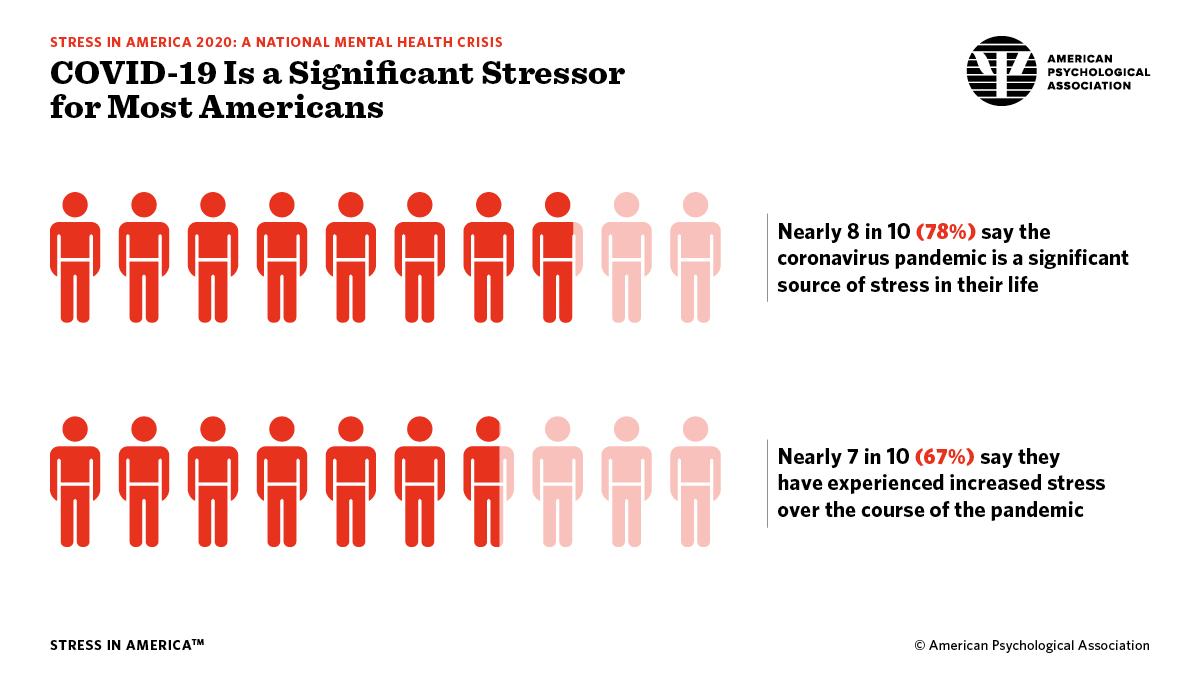
The daily challenges of life can lead to increased stress levels for adults. In our ever-changing world, stress is nearly impossible to evade. A 2020 study by the American Psychological Association (APA) showed that two in three adults (67%) have endured heightened stress levels since the COVID-19 pandemic. Additionally, nearly eight in ten adults stated the pandemic is a significant source of stress in their lives.

Stress can have serious effects on an individual’s overall well-being. When enduring elevated stress regularly, it becomes more than just stress. If stress is left untreated, it can wreak havoc on a person’s physical and mental health. One very serious condition that chronic stress can lead to is depression.

Depression and Its Link to Stress

Chronic stress can gradually worsen a person’s mindset, causing increased negativity and bitterness. These effects can then pave the way for depression to set in. Additionally, individuals with pre-existing mental health disorders are at higher risk of being affected by more stress compared to those without. Studies have shown a clear linkage between stress and depression. This chain reaction is, fortunately, reversible with proper treatment and care.

The World Health Organization (WHO) states that approximately 280 million people endure depression globally. Depression is defined as “a severe mood disorder that causes symptoms that affect how you feel, think, and handle daily activities, such as sleeping, eating, or working.” Individuals may recognize it by continuous sorrow and a lack of interest in previously enjoyed activities. While depression comes in many forms, below are two of the most common depressive conditions associated with chronic stress.

Major Depressive Disorder (MDD)

Currently, the WHO predicts that by 2030 depression will be the leading cause of disease burden across the world. Many studies have linked stress to MDD. MDD is characterized by “persistently low or depressed mood, anhedonia or decreased interest in pleasurable activities, feelings of guilt or worthlessness, lack of energy, poor concentration, appetite changes, psychomotor retardation or agitation, sleep disturbances, or suicidal thoughts”. The hallmarks of this form of depression include consistent depressive symptoms that typically interfere with daily life for a minimum of two weeks.

Persistent Depressive Disorder (PDD)

Life stressors can play a significant role in the development of PDD. The Diagnostic and Statistical Manual of Mental Disorders, Fifth Edition (DSM-5) defines PDD as being in a “depressed mood for most of the day, for more days than not, as indicated by subjective account or observation by others, for at least two years.” Symptoms involved with PDD are similar to those of MDD but are less severe and range from mild to moderate. Regardless of the type, all depression cases should be taken seriously.

Managing Stress

Eliminating stress completely is simply not a viable possibility. There will always be new issues and challenges in daily life. However, choosing to process these stresses more positively can greatly reduce the impact they can have on one’s physical and mental health. Additionally, doing so helps reduce the risks of depression.

Developing healthy eating habits that involve nutrient-rich foods can benefit one’s overall physical wellness and help the mind receive stress factors in less harmful ways. Additionally, physical exercise is a valuable approach to boosting endorphins which aid in the perceptions of stress by improving mood.

The aforementioned lifestyle changes are only the beginning of what one can do to help decrease stress levels. Meditation and deep breathing practices are great ways to center the mind and reduce the effects of stress. Yoga is another advantageous method for combatting stress. Wholesome hobbies like painting or drawing, reading or writing, and much more are also helpful stress-reducing practices.

Journaling can also be beneficial to one’s mental health. With everything written down, one can use the journal as a tool for self-reflection to boost your perceptions of daily life and improve one’s mental state. Furthermore, journaling can especially be helpful in the treatment of depression.

Treating Depression

Without properly managing daily stress, depression can easily slip in and take root. When depression is not tended to, the effects can deepen and lead to additional mental health issues. Most distressingly, the risk of suicide increases with the worsening of symptoms as well as deeper levels of sorrow. Seeking treatment is a crucial step in preventing chronic stress from developing into depression and saving lives. Fortunately, depression can be treated, and programs are available to build a happy and fulfilled life again.

The most common form of treatment for depression, whether stress-induced or otherwise, is psychotherapy. During this form of treatment, people are encouraged to change their perspectives of different situations. This helps them develop new, more practical patterns of thinking. The results of many studies support the value and efficacy of therapy for the treatment of depression in adults.

In some cases, medication such as antidepressants may be prescribed. Additionally, sleep aids and antianxiety medications can also help combat the effects of stress and depression. Determining what is right for each individual begins with a consultation. They can then proceed to evaluate their options and choose the best fit. Everyone’s future happiness is important. Being proactive to better one’s mental health is the first step toward the happy life that one deserves.

Chronic stress and the depression it can cause are both harmful to a person’s mind. No one should have to endure either one. Your well-being matters so much to us and we need you to know just how special you are. You should experience the best in life and we can help you achieve just that. Our mission is to help people just like you find the happiness they deserve. At Alter Behavioral Health, we can show you how great life can be and arm you with the necessary tools and knowledge to show stress exactly who’s in charge. You can defeat your depression and manage stress like a pro. Call (866) 691-4386 today for more information. 

Do I Need Therapy for My Depression?

Depression is a challenging condition that impacts millions of individuals every year. If you are struggling with depression, it is important to know that you are not alone. You may have a plethora of reasons for delaying seeking treatment, such as fear of being stigmatized or thinking that you can solve your depression without professional assistance. However, it is essential to understand that there are a variety of therapeutic options available that can help you treat and manage your depressive symptoms effectively. 

Therapy can provide endless benefits for your depression. Becoming familiar with warning signs that may indicate your need for therapy can help encourage you to seek out and utilize professional treatment. Additionally, learning about the benefits of therapy, as well as what therapeutic options are available, can be instrumental in achieving lasting recovery from depression. 

Feeling Depressed vs. Having Depression

Perhaps you are not diagnosed with a depression-related condition but feel sad, lethargic, or disconnected often. In this case, you may wonder whether you meet the criteria for a diagnosis of depression. 

There are several different types of depression. Understanding these different types can help you reflect on your symptoms to better identify the nature of your condition and encourage you to seek out a professional diagnosis. The National Institute of Mental Health (NIMH) identifies the following five types of depression:

  • Major depression: Characterized by feelings of sadness or hopelessness that last at least two weeks and interfere with your ability to function in daily life
  • Persistent depressive disorder: Characterized by less severe symptoms of depression that last at least two years
  • Perinatal depression: Characterized by symptoms of depression that develop during pregnancy or following childbirth (postpartum depression)
  • Seasonal affective disorder: Characterized by depression that comes and goes with the changes in seasons
  • Depression with symptoms of psychosis: Characterized by severe symptoms of depression with additional symptoms of psychosis, such as hallucinations and delusions

Warning Signs and Symptoms

The most common form of depression is major depression. Major depression includes a few main factors that differ from general feelings of sadness. These symptoms are persistent and interfere with your ability to perform at work or school or tend to personal responsibilities throughout the day. If you are still questioning the severity of your symptoms, here are some warning signs that may indicate a depression-related diagnosis:

  • Persistent sadness 
  • Feelings of hopelessness
  • Feelings of guilt or worthlessness
  • Loss of interest in activities once found pleasurable
  • Changes in eating habits, such as overeating 
  • Changes in sleeping habits, such as difficulties with falling asleep or staying asleep
  • Difficulties with concentration or memory
  • Unexplained aches or pains
  • Suicidal ideation

If you are experiencing any of the above symptoms for more than two weeks, consider finding professional treatment. Further, if you experience suicidal ideation, such as contemplating taking your own life, it is imperative to reach out for help immediately. Things can get better. Professional treatment offers the support and guidance you need to heal. 

Therapeutic Options for Depression

There are a variety of therapeutic options available for treating depression and its effects. It is recommended for individuals with depression to utilize a combination of behavioral therapy and medication to ensure the lasting management of depressive symptoms. 

Cognitive-Behavioral Therapy (CBT)

Cognitive-behavioral therapy (CBT) is one of the most common and well-researched forms of psychotherapy. It combines the approaches of both cognitive therapy and behavioral therapy to address problematic patterns of thoughts, behaviors, and emotions.

In CBT sessions, you will be empowered to view your situation differently by adopting various perspectives. A therapist will help you create newer and more realistic patterns of thinking so that your symptoms will no longer dictate your behaviors. 

Interpersonal Therapy

Another great treatment option for depression is interpersonal therapy. According to World Psychiatry, interpersonal therapy regards depression as a treatable medical illness. Likewise, it sheds light on the powerful role that relationships can play in treatment and recovery. Interpersonal therapy is most effective when used as a short-term intervention. It can be utilized in combination with CBT. 

Antidepressant Medication

Another therapeutic option for depression is antidepressant medications. Medications work to address dysregulated brain areas that contribute to depressive symptoms. In other words, these medications can address your neurological imbalances. Antidepressant medications are most effective when used in tandem with other therapeutic approaches, such as psychotherapy. They can help reduce symptoms so you can reap the benefits of psychotherapy sessions. 

The Benefits of Therapy for Depression

Regardless of whether you have a depression diagnosis or not, therapy can have a variety of benefits on your symptoms. For example, therapy can help you to understand the inevitable links that lie between your thoughts, emotions, and behaviors. By increasing your awareness of these connections, you can feel more in control of your reactions to problematic symptoms. 

Additionally, therapy can increase your confidence and ability to make sound decisions. As depression can undoubtedly affect your self-esteem, therapy can strengthen your problem-solving and conflict-resolution skills. Participating in therapy can also increase your ability to manage stress effectively as it provides effective coping mechanisms to inform lasting recovery. 

Depression can interfere with your ability to function in your daily life. It is important to recognize your need for professional treatment and utilize therapy for lasting recovery. At Alter Behavioral Health, we can provide you with the support and therapeutic interventions that you need to achieve lasting healing from depression. We offer a wide variety of therapeutic interventions, including cognitive-behavioral therapy, interpersonal therapy, medication, and more, to individualize our client care. Do not let your symptoms control the direction of your future. Let us help you begin your healing and recovery journey. To learn more about our treatment programs and services, give us a call today at (866) 691-4386.

Is Depression Hereditary?

The World Health Organization (WHO) has estimated that 280 million people face depression worldwide. A number as staggering as this may raise a few questions. Where does depression come from and how does it happen? In many cases, depression can be passed on genetically. Other times, it develops due to environmental or situational factors.

To understand the complexities of depression and its origins, it is important to first know its recognized types.

How Many Types of Depression Are There?

There are multiple forms of depression. All forms result in constant feelings of sadness, detachment, or fatigue. However, each variant has distinctive qualities that set it apart.

  • Major depressive disorder (MDD): A depressive disorder characterized by persistent symptoms of depression for the majority of each day, lasting at least two weeks at a time. Symptoms usually interrupt the individual’s daily life. In addition, the ability to work, sleep, eat, or interact with others may be affected.
  • Persistent depressive disorder (dysthymia): This disorder presents less severe symptoms of depression compared to major depression. However, symptoms last significantly longer, often at least two years.
  • Perinatal/postpartum depression: Perinatal depression occurs during pregnancy. Postpartum depression occurs after delivery. A 2022 study shows approximately one in seven women develop postpartum depression.
  • Seasonal affective disorder (SAD): Depression that comes and goes with the changing of the seasons. Symptoms typically start during late fall or early winter, then recede at the beginning of spring or summer.
  • Depression with symptoms of psychosis: Considered a severe form of depression in which a person experiences psychosis along with depression. Symptoms include delusions and hallucinations.

While there are many distinctive variations of depression, it is essential to seek a proper diagnosis. With the correct information, individuals can receive appropriate care for their unique needs.

What Role Does Genetics Play in Depression?

Of the many forms of depression, MDD is known to be the most common of the disorders. One study reflects that roughly 1 in 5 people will develop MDD at some point in their lives. As such a widespread mental health condition, where does depression come from? A 2021 study performed by the Genome-Wide Association Study (GWAS) mapped out 178 variations of genes that are linked to depression.

While the evidence is clear that depression can be inherited through specific gene combinations, it is not a guarantee. The role that genetic makeup has on people with depression or their risk of developing it is still understudied to date. However, individuals with an immediate family member facing depression are potentially at 2-3 times higher risk for developing it than those who don’t. Additionally, there are many cases where someone develops depression without a family history of it, while plenty who do have a family history of the disorder never develop it.

Are There Other Causes of Depression?

While depression can certainly run in families, there are plenty of other reasons an individual may develop depression. In many cases, chronic illnesses such as cancer, chronic pain, or cardiovascular diseases are associated with depressive disorders. Some other possible causes of depression include:

  • Stressful life events such as divorce, death of a loved one, financial crisis, or termination of employment
  • Loneliness or feeling separated from family and friends
  • Pregnancy and childbirth
  • Personality traits like low self-esteem or being overly-self-critical
  • Regular or excessive alcohol use
  • Drug use
  • Other mental health concerns such as bipolar disorder, anxiety, or psychosis
  • Certain medications may recognize depression as a known side effect

How Is Depression Treated?

Prior to treatment, one must first receive a professional diagnosis. Once the specific depressive condition has been identified, an individual can begin the process of building a personalized treatment plan with their mental health specialist. Therapy and medication are the most common forms of treatment for depression. A combination of the two is often the best option, although in some cases one or the other has been found to be effective.

Cognitive-behavioral therapy (CBT) is the most widely used therapy option in the treatment of depression. The primary focus of CBT is on the thought patterns and expectations that accompany depression. Through this process, an individual gradually learns to retrain their brain to adopt a new perspective and create more realistic ways of thinking. Another beneficial form of therapy is interpersonal therapy in which the main focus is on the individual’s relationships with loved ones.

Medication for depression is also widely used. There is a vast variety of prescription drugs available. Through an appropriate trial and error process with a qualified medical professional, an individual can identify the proper medication and dosage for their individual needs. Taking an antidepressant is not always necessary and is prescribed on a case-by-case basis.

The most important takeaway is that depression is treatable, and happiness is obtainable through the right guidance and care.

Depression is a formidable opponent on the battlefield of life. It can make you feel worthless and as if all hope is lost. There is more to life than the depression that you face. Your world can be a beautiful place full of life, laughter, and vibrant colors. You don’t have to bear this alone. At Alter Behavioral Health, we can help you shoulder the weight of your depression until it lifts. With proper treatment, guidance, and care, you can enjoy a much brighter, happier, and healthier life. Our treatment options can help you see past the fog of your depression, whether it was inherited genetically or not. Call us today at (866) 691-4386 to get started.

How Journaling Can Help With Anxiety and Depression

Mental health is often pushed aside or ignored in the world we live in today. Self-awareness and emotional care tend to take a back seat to other tasks. However, when people prioritize their health, they have more positivity and love to give to others.

People worldwide need healthy minds now more than ever in the wake of the recent COVID-19 pandemic. In this post-pandemic world, close to 50% of the general population experienced symptoms of depression and anxiety.

Statistics on Mental Illness

The global pandemic drastically affected people’s long-term and short-term mental health. A 2020 study examined over 400 COVID-19 survivors. The results were staggering. Those surveyed were in range for a number of serious mental health disorders, including:

  • 28% for PTSD 
  • 31% for depression
  • 42% for anxiety
  • 20% for OC symptoms
  • 40% for insomnia

Across the board, 56% scored in at least one clinical condition range. One study found over 26% of participants met the criteria for depression and anxiety. Both conditions have distinct symptoms and often co-occur.

Symptoms of Depression

While there are many causes of depression and multiple forms of this disorder, the DSM-5 recognizes 9 general symptoms of major depression:

  • Sleep disturbance
  • Interest/pleasure reduction
  • Feelings of guilt or thoughts of worthlessness
  • Energy changes/fatigue
  • Concentration/attention impairment
  • Appetite/weight changes
  • Psychomotor disturbances
  • Suicidal thoughts
  • Depressed mood

Symptoms of Anxiety

Like depression, multiple forms of anxiety exist. Each variation has distinct qualities, but symptoms found in general anxiety disorder (GAD) involve three or more of the following:

  • Restlessness, feeling keyed up or on edge
  • Being easily fatigued
  • Difficulty concentrating or mind going blank.
  • Irritability
  • Muscle tension
  • Sleep disturbance (difficulty falling or staying asleep, or restless and unsatisfying sleep)

Managing Mental Health

Conditions like anxiety and depression, whether standalone or co-occurring, can weigh heavily on an individual’s mind and body. While treatment is the most effective path to healing, there are things individuals can do at home to better manage their mental health.

Physical activity, breathing exercises, and yoga are just some of the great options that have no financial cost and are full of healthy benefits for the mind. One of the greatest options for at-home methods of healing is writing things down. Journaling costs nothing and provides positive and habit-forming emotional support.

The Benefits of a Journal for Anxiety and Depression

Facing mental health challenges isn’t easy. Talking to others about things might be hard for some individuals and processing emotions on their own can be equally difficult. When an individual takes up journaling, they have a unique opportunity to get everything they’re feeling and thinking out and onto the page.

Exercising this way of self-expression allows individuals to write freely without worrying about grammar or punctuation. They’re able to revisit any day and evaluate what they wrote and how they’ve progressed. Self-reflecting in this way can help people understand themselves and how their mind works. As they progress in their writing journey, individuals will likely notice patterns in their emotions during the good times and the not-so-good times.

Evaluating patterns and noting specific details are extremely beneficial ways to learn and grow. Individuals will be able to gradually train their brains to adapt new and positive thought processes that can boost their mood and alleviate negative symptoms. This journal can also be an invaluable tool in the treatment of anxiety or depression. The individual and their therapist can come together to problem-solve and reflect for future healthier habits.

Other Writing Styles

While journaling is certainly an effective form of writing for mental health, it’s by no means the only option. Jotting down the day’s events or emotions may not be appealing to everyone. That’s okay! There are many other ways to effectively put pen to paper.

Writing poetry is a great option for expressing anxiety or depression. One can still convey how one feels or what one is thinking in a beautiful and intentional way. Alternatively, short stories can aid emotional expression through creativity and imagination.

How Treatment Can Help

Though journaling and mental health self-management are big factors in healing, treatment can play a crucial role in overcoming anxiety and depression. Therapy and often medication are key components to treating these disorders. A therapist can provide clients with prompts for their journals and help them recognize problems or patterns along the way. Through therapy, individuals can learn proven techniques for adjusting how they perceive obstacles preventing them from living a healthy and fulfilling life.

Medication is often prescribed for the treatment of anxiety and depression. Anti-anxiety medicine can boost neurotransmitter activity to help individuals feel calm. Antidepressants help regulate mood by boosting serotonin levels for happier days. A doctor can help individuals decide if taking medication is right for them. With proper diagnosis and care, anyone can tackle each day and overcome the challenges they face.

The cloudy days that anxiety or depression can cause are challenging and can leave you feeling hopeless. Those days can steal your light and your freedom. You don’t have to face these struggles alone. At Alter Behavioral Health, we care so much about you and your future. Let us show what life can be like free of anxiety and depression. We have a variety of resources available to help clients achieve better mental health on a schedule that works for them. With the best available treatment and care, we can be the hope and light that you need to overcome the challenges you face. Call us today at (866) 691-4386 to get started. 

Healthy Hobbies for Depression

Having a hobby can be a fun and exciting addition to your daily life. Learning a new skill or developing a new interest can do more than just exercise your brain. Studies have shown that healthy hobbies can actually assist in improving your overall mental health. The boost to your mental state helps alleviate conditions like anxiety and depression.

Benefits of Hobbies for Mental Health and Depression

One study regarding hobbies and mental health performed by the American Psychosomatic Society proved significant correlations. The results reflected that participants had lower blood pressure and cortisol levels when they participated in hobbies. Cortisol is one of the body’s main stress hormones.

Lessening cortisol and blood pressure can have positive effects on an individual’s depression and anxiety symptoms. The study also reflected lower waist circumference, body mass index, and better perceptions of physical function. Ultimately, the results confirmed lower depression levels with more hobby activity.

The APA suggests that everyone needs to take breaks for their mental health. When facing a condition like depression, pausing the stresses of life by engaging in healthy hobbies can help improve a person’s depression and overall mood. Taking periodic breaks and focusing on oneself and one’s interests is a great start to a healthier mind.

Additional research for improving mental health suggests that taking small steps and building upon them can help improve and incorporate mental health exercises into your everyday life.

The Best Activities for Depression

Finding a new healthy and beneficial hobby can seem overwhelming, but it doesn’t have to be. You have the freedom to try a variety of different activities and pick what suits you the best. There are so many hobbies out there to choose from that it can be hard to pick just one. Luckily, you don’t have to! You can try as many as you’d like. We have compiled a list of some great activities that can help you improve your depression levels.

Take Up Art

Art has been known as one of the most therapeutic hobbies out there. One study showed that 75% of participants who created art had significantly lower levels of cortisol than at the beginning of the project.

This hobby isn’t just for people who consider themselves “good” at art. The study included some beginner artists who also displayed lower cortisol just as much as experienced artists. Regardless of your artistic skill set, creating art of any kind can help improve your mental health, thus reducing depression. Whether you choose to paint, draw, sculpt, or create another kind of art, these hobbies can positively impact your life.

Spend Time Outside

Being outside brings a number of benefits. Increasing vitamin D levels from sun exposure has been shown to help with depression as there is a clear link between the two.

Gardening is a great hobby to help reduce depression. Not only can you harvest your own food and create beautiful bouquets of flowers, you can also boost your mental health.

Whether you take up hiking or walking, garden flowers or fruits and vegetables, or start taking daily walks, you stand to reap the mental health benefits of being outdoors.

Exercise

Studies have found that incorporating exercise with treatment has significant effects on depression. You receive a large boost in mood because the act of exercising releases endorphin hormones in the body. These hormones are most commonly known for their “feel good” effect. One study examined the effects of endorphins on depression and found very positive results.

There are many beneficial forms of exercise you can try to find what works best for you. Walking is among the safest and easiest exercises to get started with.

Join a Yoga Class

Yoga is a wonderful activity that gently works your body and trains your mind. Participating in a yoga class with other people is a very beneficial group activity for depression. There are many types of yoga that vary in intensity, so you can find the best fit for your individual needs.

In addition, meditation often goes hand-in-hand with yoga and is a great addition to the hobby. Achieving a calm body and mind for a rounded experience can help reduce depression levels and make managing your condition easier.

Start Writing

Putting pen to paper is a virtually free and easy hobby to help in the treatment of depression. Starting a journal can help you reflect on each day and process your emotions.

Another healthy option for writing is taking up creative writing. Poetry is a beautiful hobby where you can express yourself in new and exciting ways. If poetry isn’t for you, but you want to put that pen to work, try short stories. You can let your imagination flow and build worlds and characters that people only dream of.

It doesn’t matter if you’re writing in a journal, creating personal poems, or developing creative short stories. Writing exercises your brain and creativity which helps with depression treatment.

Seeking Treatment for Depression

As with any mental health condition, it is important to seek proper diagnosis and treatment. The healthy hobbies listed in this article are beneficial to depression but they do not replace treatment altogether. All the activities mentioned above do best when paired with a depression management program.

It is admirable to want to take healthy steps to better your mental health and healthy hobbies are encouraged alongside treatment. Reaching out for help is a courageous step that will be the first of many positive movements toward a brighter and happier future free of depression.

Depression is hard. We said it so you don’t have to. Fortunately, it’s a battle you don’t have to fight alone. While healthy hobbies can help improve your mental health and depression, they work best when combined with treatment. At Alter Behavioral Health, we help you face your depression head-on and back you every step of the way. Some days are harder than others, but we will be there to help you stand tall and overcome every dark day that comes. Our goal is to help you make every day brighter for a happier and healthier future. You deserve a life free of depression, and we want to help make that happen. Call us today at (866) 691-4386.